
If brushing, flossing, and mouthwash aren’t fixing your bad breath, and it feels like the smell is coming from somewhere deeper than your mouth, you might be right. There is a real, researched connection between bad breath from your stomach and acid reflux, and it’s more common than most people realize.
Quick answer: your stomach doesn’t constantly vent odor up through your throat, that’s a myth. But when stomach acid and gases travel back up the esophagus, a condition called GERD (gastroesophageal reflux disease), they can reach the mouth and cause a distinct, sour or bitter-smelling breath that regular oral hygiene won’t fully resolve. A large population study found that people with more severe reflux symptoms were significantly more likely to report bad breath. If mouthwash and mints aren’t working, the fix may need to address digestion, not just the mouth.
What Causes Bad Breath From Your Stomach?
Most everyday bad breath starts in the mouth, from bacteria on the tongue, gum disease, or food particles. But some people describe a different kind of smell: sour, bitter, or “rotten,” that doesn’t respond to normal oral hygiene and seems to come from further back in the throat or chest. That description points toward the digestive system rather than the mouth itself.
The mouth and the top of the digestive tract are directly connected, so when something goes wrong with digestion higher up, like the esophagus or stomach, it can genuinely affect the smell of your breath. This is a real, physiological pathway behind bad breath from your stomach, not just a figure of speech.
The GERD Connection: What the Research Shows
The clearest documented link is with GERD, gastroesophageal reflux disease, where stomach acid and partially digested contents flow back up the esophagus instead of staying down. When that happens, gases and acid can reach the back of the throat and mouth, changing the smell of your breath in a way that brushing and mouthwash can’t fix, because the source isn’t in the mouth.
A large population study of 2,588 adults (the Study of Health in Pomerania) found that 21.8% self-reported halitosis, and the likelihood of reporting bad breath rose in a clear, dose-response pattern as GERD symptoms went from mild to moderate to severe. Source: PMC (Journal of General Internal Medicine).
Beyond the direct regurgitation of acid and gas, GERD can contribute to bad breath in a few indirect ways too: irritation and mucus buildup at the back of the throat that bacteria feed on, and dry mouth from some reflux medications, which reduces saliva’s natural ability to wash away odor-causing bacteria. Source: Cleveland Clinic.
It’s worth being clear about what this research does and doesn’t establish. It shows a strong statistical association between GERD severity and self-reported bad breath, not that everyone with reflux will notice an odor, or that every case of unexplained bad breath is reflux. If you have other classic reflux symptoms too, heartburn, a sour taste, or a burning sensation in the chest, the connection is worth taking seriously.
Habits That Might Help
If reflux is what’s driving bad breath from your stomach, oral hygiene alone won’t solve it. These habits target the digestive side of the problem:
- Avoid classic reflux triggers close to bedtime: caffeine, alcohol, chocolate, spicy or fatty foods, and carbonated drinks
- Eat smaller meals instead of large ones, since a very full stomach makes reflux more likely
- Don’t lie down right after eating, wait at least 2 to 3 hours before bed
- Elevate the head of your bed slightly if nighttime reflux is a pattern
- Stay hydrated, since a dry mouth gives odor-causing bacteria an easier environment
- Still keep up regular brushing, flossing, and tongue cleaning, since oral bacteria are almost always part of the picture even when reflux is a contributing factor
When to See a Doctor
See a doctor if bad breath comes along with frequent heartburn, regurgitation, a chronic cough, hoarseness, or difficulty swallowing, these are signs GERD may need proper diagnosis and treatment rather than lifestyle changes alone. A doctor can also rule out other causes, since persistent bad breath that doesn’t respond to good oral hygiene or diet changes can occasionally point to something else entirely, like a sinus infection or, rarely, a different underlying condition.
Possible Solutions Worth Considering
If reflux is diagnosed or suspected, treating it directly, through diet changes, medication, or a doctor’s guidance, is what actually addresses the source. Alongside that, an oral probiotic or postbiotic can help manage the bacterial side of the equation, since oral bacteria still play a role even when the underlying trigger is digestive. These won’t fix reflux itself, but they support the part of the problem that lives in your mouth.
DentaBiome
An oral postbiotic formula built to target gum bleeding and persistent bad breath by supporting a healthier balance of bacteria in the mouth. Taken daily alongside normal brushing and flossing.
Read our full DentaBiome review for the complete breakdown.
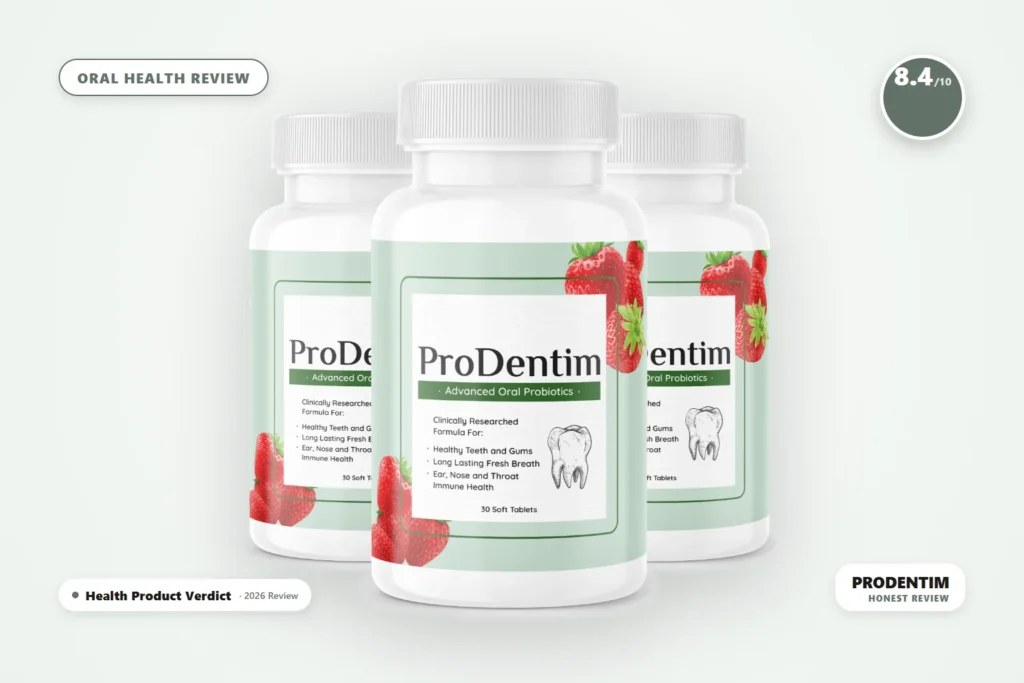
ProDentim
One of the best-known oral probiotics on the market, formulated to support a healthier oral microbiome as a complement to regular hygiene. A soft-chew format taken once daily.
Read our full ProDentim review for the complete breakdown.
FAQ
Can your stomach really cause bad breath?
Yes, indirectly. Your stomach doesn’t constantly vent odor into your mouth, but during episodes of acid reflux (GERD), stomach acid and gases can travel up the esophagus and reach the mouth, genuinely changing the smell of your breath.
What does GERD-related bad breath smell like?
People often describe it as sour, bitter, or acidic, distinct from the typical “morning breath” or sulfur-like smell tied to oral bacteria alone.
Will mouthwash fix bad breath caused by acid reflux?
Not fully. Mouthwash can mask the smell and manage the oral bacteria portion of the problem, but if reflux is the underlying trigger, the odor will likely keep returning until the reflux itself is addressed.
How do I know if my bad breath is from my stomach or my mouth?
There’s no single test you can do at home for bad breath from your stomach. Bad breath alongside heartburn, regurgitation, or a sour taste points toward reflux. Bad breath alongside bleeding gums, visible plaque, or tongue coating points more toward the mouth. Often, both are involved at once.
Should I see a dentist or a doctor for this?
Both can help, but for a different reason. A dentist addresses the oral bacteria and hygiene side. If you have frequent heartburn, regurgitation, or other reflux symptoms alongside the bad breath, a doctor is who can properly diagnose and treat GERD.
Conclusion
Bad breath from your stomach isn’t imagined, research shows a real, dose-dependent link between GERD severity and self-reported halitosis. Diet changes, eating habits, and treating reflux directly are what address the root cause, while an oral probiotic can help manage the bacterial side of the problem alongside that.
If bad breath from your stomach sounds like your situation, for the full picture on oral health causes, habits, and every oral care product we’ve reviewed, see our Oral Health: The Complete 2026 Guide.
Related Reading
- What’s the Best Probiotic for Bad Breath?
- Oral Health: The Complete 2026 Guide
- How to Get Rid of Bad Breath Naturally in 2026
- ProvaDent Review
This article is for informational purposes only and does not constitute medical advice. Consult a healthcare professional if you have persistent bad breath, heartburn, or other digestive symptoms.