
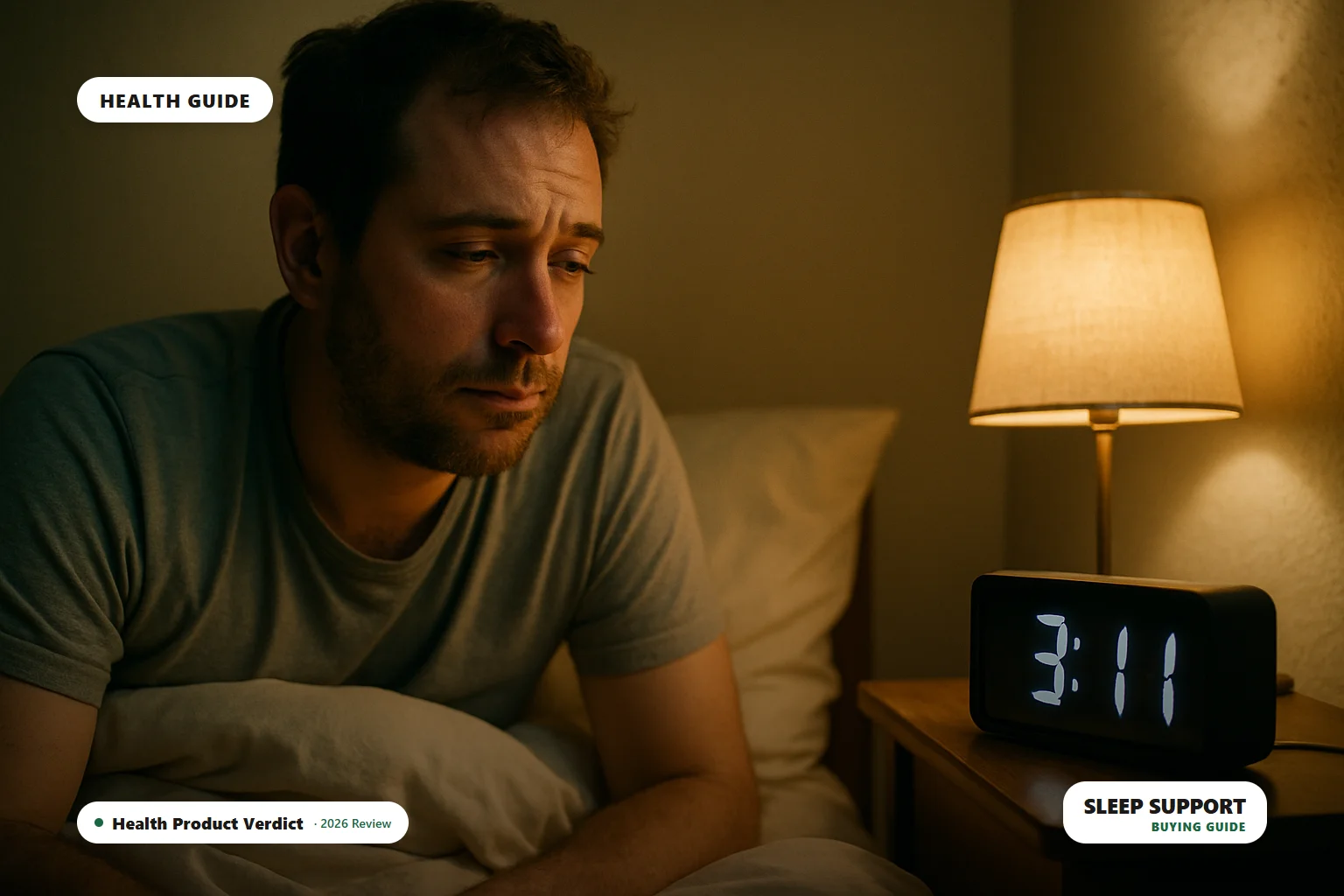
The waking up at 3am cortisol connection is one of the most searched sleep topics online. Falling asleep fine, then snapping awake at almost the exact same hour every night, often somewhere around 3 AM, is one of the most common sleep complaints people search for. The popular explanation floating around online is “a cortisol spike,” but the real science behind that claim is more nuanced, and more useful, than most articles on this let on.
Quick answer: cortisol does rise overnight as part of your normal circadian rhythm, building toward a peak around your habitual wake time, so there is a real hormonal basis for waking in the early morning hours. But research has actually challenged the popular idea that a cortisol “spike” specifically triggers waking. A separate, well-documented mechanism, a drop in blood sugar overnight triggering cortisol and adrenaline release to correct it, is a more direct and better-evidenced cause of sudden middle-of-the-night waking for many people. Both point toward the same fix: stabilizing blood sugar and supporting a healthy stress response, not just “reducing cortisol.”
The Waking Up at 3am Cortisol Connection, Explained
Cortisol isn’t just a “stress hormone,” it follows a daily rhythm controlled by your circadian clock. Levels are lowest in the late evening and early night, then begin rising in the second half of the night, building toward a peak around your habitual wake-up time to help mobilize energy for the day ahead. Source: Sleep (Oxford Academic / PMC).
Here’s the part most popular articles skip: the widely-repeated idea that a sudden cortisol “spike” is what specifically triggers a 3 AM wakeup is more contested in the research than it sounds. The rise in cortisol overnight is real and measurable, but recent work has questioned whether it’s the cause of waking or simply part of the same underlying rhythm that happens to overlap with when many people wake up. In other words, cortisol being elevated at 3 AM doesn’t necessarily mean cortisol is what woke you.
The Blood Sugar Connection
A more direct, well-documented trigger for sudden overnight waking is a drop in blood sugar. When glucose falls too low during sleep, the body releases counter-regulatory hormones, including cortisol and adrenaline, to push blood sugar back up. In controlled sleep studies, this hormone surge has been shown to actually cause awakening, with hormone increases measurably starting before any sign of waking on a sleep monitor. Source: Diabetes (PubMed).
This mechanism is best documented in people with blood sugar regulation issues, but the underlying biology, a glucose dip triggering a cortisol/adrenaline “rescue” response, applies more broadly. Late, heavy, high-sugar meals, alcohol before bed, and long gaps between dinner and breakfast are all common ways this can play out even in people without a diagnosed blood sugar condition.
Where Chronic Stress Fits In
Chronic stress doesn’t create a random 3 AM alarm clock, but it can shift your whole cortisol curve earlier and make it steeper, meaning the natural overnight rise starts sooner and climbs faster. Combined with a blood sugar dip, an already-elevated stress response can make early waking more likely and harder to fall back asleep from, since your body is already primed for alertness rather than rest.
Habits That Might Help
- Avoid long overnight fasting gaps if you tend to eat dinner early; a small protein-and-fat snack before bed can help prevent an overnight glucose dip for some people
- Limit alcohol close to bedtime, it can cause blood sugar to drop later in the night as it’s metabolized
- Watch late-night high-sugar or high-refined-carb snacks, which can cause a sharper rise-then-fall in blood sugar overnight
- Build in a wind-down routine that actually lowers stress arousal before bed (dim light, no screens, breathing exercises), rather than only relying on medication or supplements
- Keep a consistent sleep and wake schedule, since an erratic schedule can worsen cortisol rhythm misalignment
When to See a Doctor
See a doctor if the waking is frequent, accompanied by sweating, shakiness, a racing heart, or intense hunger (possible signs of a real blood sugar drop worth investigating), or if it’s part of a broader pattern of insomnia, anxiety, or depression. Waking at the same time nightly for weeks isn’t something you need to just live with, and ruling out a treatable underlying cause is worth a real conversation with a doctor.
Possible Solutions Worth Considering
Alongside the habits above, some people look for supplement support built around ingredients researched for sleep quality and the body’s stress response.
YuSleep
A nightly sleep formula built around a blend of calming ingredients intended to support falling asleep and staying asleep through the night, rather than just knocking you out.
Read our full YuSleep review for the complete breakdown.
PUREDOSE Micelle Liposomal Magnesium
A liposomal magnesium formula, magnesium plays a documented role in nervous system regulation and relaxation, in a format designed for better absorption than standard magnesium tablets.
Read our full PUREDOSE Magnesium review for the complete breakdown.
FAQ
Is it true that cortisol wakes you up at 3am?
The waking up at 3am cortisol connection is more nuanced than the popular claim suggests. Cortisol does rise overnight as part of your normal circadian rhythm, but recent research has actually challenged the idea that a cortisol spike specifically causes waking. A blood sugar dip triggering cortisol and adrenaline release is a more directly documented cause of sudden overnight waking for many people.
Why do I wake up at the same time every night?
The waking up at 3am cortisol connection usually points to a consistent underlying trigger, whether that’s your circadian cortisol rhythm, a recurring blood sugar dip tied to when you last ate, or a stress pattern that’s shifted your hormone curve earlier.
Can low blood sugar wake you up at night?
Yes. Research has shown that a drop in blood sugar during sleep triggers a release of cortisol and adrenaline meant to correct it, and this hormone surge can directly cause waking, with the hormone rise measurably starting before any signs of waking appear on a sleep monitor.
Does stress make 3am waking worse?
It can. Chronic stress can shift your cortisol rhythm earlier and steeper, meaning the natural overnight rise starts sooner, which can make early waking more likely, especially combined with a blood sugar dip.
What should I eat before bed to avoid waking up at night?
A small snack with some protein and fat, rather than a high-sugar or high-refined-carb one, is generally a better bet if overnight blood sugar dips seem to be part of the pattern. This isn’t universal advice for everyone, so pay attention to what actually helps in your own case.
Conclusion
The waking up at 3am cortisol connection isn’t random, and it isn’t purely “cortisol spiking for no reason” either. Cortisol does rise overnight as part of your circadian rhythm, but a blood sugar dip triggering that same hormone response is a better-documented direct cause for many people. Stabilizing blood sugar, managing chronic stress, and keeping a consistent sleep schedule address the actual mechanisms at play, more than chasing “lower cortisol” as a goal on its own.
For the full picture on sleep causes, habits, and every sleep product we’ve reviewed, see our Sleep Support: The Complete Guide to Better, Deeper Sleep.
Related Reading
- Sleep Support: The Complete Guide to Better, Deeper Sleep
- Sleep Problems: Causes and What Can Help You Fall and Stay Asleep
- Blood Sugar Crashing After Meals? Here Is What Might Help
This article is for informational purposes only and does not constitute medical advice. Consult a healthcare professional if you have frequent sleep disruption, suspected blood sugar issues, or symptoms like sweating, shakiness, or a racing heart during the night.