
Quick answer: Sleep problems, whether it’s trouble falling asleep, frequent 3 AM wake-ups, or waking up in physical discomfort, usually come from a mix of stress, screen exposure, an inconsistent schedule, or physical factors like poor pillow support. Persistent insomnia deserves medical attention, but for occasional support, people typically look at either a sleep supplement or improving their physical sleep setup. We compare one of each below.
What Causes Sleep Problems?
According to the Sleep Foundation, difficulty falling or staying asleep can stem from a wide range of factors, including:
- Stress and racing thoughts, especially at night
- Inconsistent sleep schedules and screen exposure before bed
- Caffeine or alcohol consumption too close to bedtime
- Physical discomfort from an unsupportive pillow or mattress
- Underlying conditions like sleep apnea, restless leg syndrome, or anxiety disorders
- Natural changes in melatonin production with age
Waking up specifically in the middle of the night and struggling to fall back asleep is a distinct pattern from difficulty falling asleep initially, and can point to different underlying causes, from stress hormone fluctuations to physical discomfort that builds up over the night.
When to See a Doctor
If sleep problems are persistent (occurring most nights for several weeks or more), significantly affecting your daytime functioning, or accompanied by loud snoring, gasping, or excessive daytime sleepiness, it is worth talking to a doctor. These can be signs of a sleep disorder like sleep apnea that requires specific diagnosis and treatment, not just a supplement or a new pillow.
Sleep Hygiene: The Habits That Matter Most
Before trying a supplement or a new pillow, the basics of sleep hygiene are worth reviewing, since they address some of the most common and fixable causes of poor sleep:
- Keep a consistent sleep and wake time, even on weekends, to support your body’s internal clock
- Limit screen exposure in the hour before bed, since blue light can suppress natural melatonin production
- Keep your bedroom cool, dark, and quiet
- Avoid caffeine in the afternoon and evening, since its effects can linger for many hours
- Limit alcohol close to bedtime, since it can fragment sleep later in the night even though it may help you fall asleep initially
How Much Sleep Do You Actually Need?
Most adults need 7 to 9 hours of quality sleep per night, though individual needs vary somewhat. Sleep needs do not meaningfully decrease with age, despite a common misconception. What often does change is sleep architecture, with older adults sometimes experiencing lighter, more fragmented sleep even when total time in bed stays the same.
Possible Solutions Worth Considering
For occasional sleep struggles, people generally look at one of two approaches: a supplement to support the body’s natural sleep processes, or addressing physical comfort factors like pillow support. We looked at one option from each category.
YuSleep
YuSleep is a liquid dropper supplement built around ten ingredients, including a low dose of melatonin (0.9mg), magnesium glycinate, L-theanine, GABA, and red tart cherry extract. The lower melatonin dose is notable, since high-dose melatonin is sometimes associated with next-day grogginess. It is taken as two droppers 30 minutes before bed and comes with a 60-day money-back guarantee, though it is only sold in multi-month bundles with no single-bottle trial option.
Read our full YuSleep review for the complete ingredient breakdown and pricing.
Derila Ergo
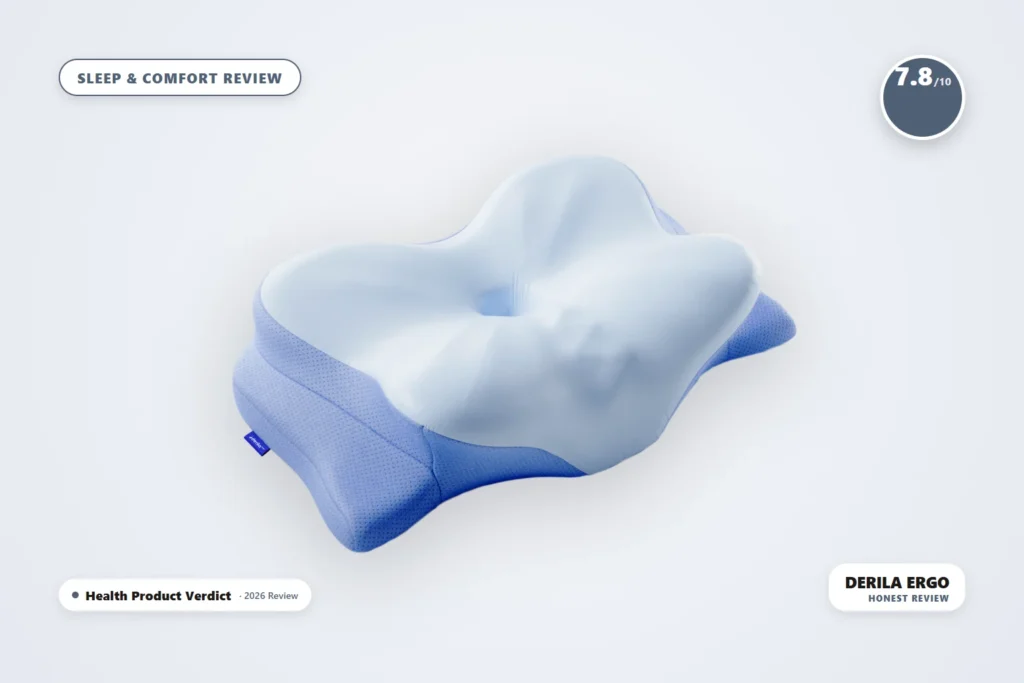
Derila Ergo takes a completely different approach: it is an ergonomic cervical support pillow, not a supplement. Built around a five-zone butterfly contour designed to follow the natural geometry of the head, neck, and shoulders, it uses CertiPUR-US certified memory foam, independently tested for low VOC emissions. It is aimed at back and stomach sleepers who wake up with neck or shoulder tension, and comes with a 60-day return window.
Read our full Derila Ergo review for the complete design and materials breakdown.
Supplement or Pillow: Which Fits Your Situation?
If your sleep problems are more about a racing mind or trouble winding down, a supplement like YuSleep addresses that mental side of sleep onset. If you are waking up with a stiff neck or shoulder tension and suspect your current pillow is part of the problem, a physical fix like Derila Ergo addresses the comfort side of the equation instead. These are not mutually exclusive, and some people benefit from addressing both.
A Liquid Alternative Worth Knowing About
Not everyone wants to take a capsule before bed. PUREDOSE Micelle Liposomal Magnesium takes a different format: a liquid pouch built around magnesium bisglycinate, a well-tolerated form of magnesium tied to relaxation and sleep. It discloses its full ingredient list, unlike most proprietary-blend supplements, and comes with a 180-day guarantee.
Read our full PUREDOSE Magnesium review for the complete breakdown.
FAQ
Why do I keep waking up at 3 AM?
Waking up in the middle of the night can be related to stress hormone fluctuations, alcohol consumption before bed, physical discomfort, or natural sleep cycle changes. If it happens frequently, tracking patterns and discussing them with a doctor can help identify the specific cause.
Is melatonin safe to take every night?
Melatonin is generally considered safe for short-term use, but the Sleep Foundation notes that high doses can cause next-day grogginess in some people, and long-term nightly use should ideally be discussed with a doctor, especially since dosing standards vary widely between products.
Can a pillow really affect sleep quality?
Yes. An unsupportive pillow can cause neck and shoulder tension that disrupts sleep quality and causes discomfort that may wake you during the night, even if it is not the sole cause of insomnia.
When should I see a doctor about insomnia?
If sleep problems persist most nights for several weeks, significantly affect your daytime functioning, or are accompanied by loud snoring or gasping, it is worth seeing a doctor to rule out a sleep disorder like sleep apnea.
What is the difference between YuSleep and Derila Ergo?
YuSleep is an ingestible liquid supplement targeting the body’s sleep chemistry. Derila Ergo is a physical ergonomic pillow targeting neck and shoulder comfort. They address different potential causes of poor sleep.
Does sleep need decrease as you get older?
No, most adults continue to need 7 to 9 hours of sleep regardless of age. What often changes with age is sleep quality and continuity, not the total amount needed.
Does alcohol help you sleep better?
Alcohol can make you feel drowsy initially, but it tends to fragment sleep later in the night and reduce overall sleep quality, which is why it is generally not recommended as a sleep aid.
Related Reading
- Why Do I Keep Waking Up at 3 AM? The Cortisol Connection
- Sleep Support: The Complete Guide
- YuSleep Review
- PUREDOSE Magnesium Review
- Derila Ergo Review
Conclusion
Sleep problems have a wide range of causes, from racing thoughts to physical discomfort, and persistent insomnia deserves medical attention. If you are looking for extra support, YuSleep and Derila Ergo take genuinely different approaches, one targeting sleep chemistry, the other targeting physical comfort, worth considering based on what is actually disrupting your sleep.
This article is for informational purposes only and is not intended as medical advice. If sleep problems are persistent or significantly affecting your daily life, consult a physician before trying any supplement or sleep aid.