Swishing oil around your mouth for 15-20 minutes sounds like the kind of wellness trend that belongs in the same bucket as tongue scraping or activated charcoal toothpaste. But oil pulling actually has a real, if modest, body of clinical research behind it, which makes it worth a genuine look rather than a reflexive eye-roll.
Quick answer: does oil pulling actually work? Partially. A 2022 meta-analysis of 9 randomized controlled trials found oil pulling significantly reduces bacterial counts in saliva, performing similarly to chlorhexidine mouthwash on that specific measure. But it showed no meaningful advantage for plaque or gum inflammation scores, and there’s no solid evidence it reduces cavities or whitens teeth, despite those being two of the most common claims made about it. It’s a real, mildly useful practice, not a replacement for brushing and flossing.
What Is Oil Pulling?
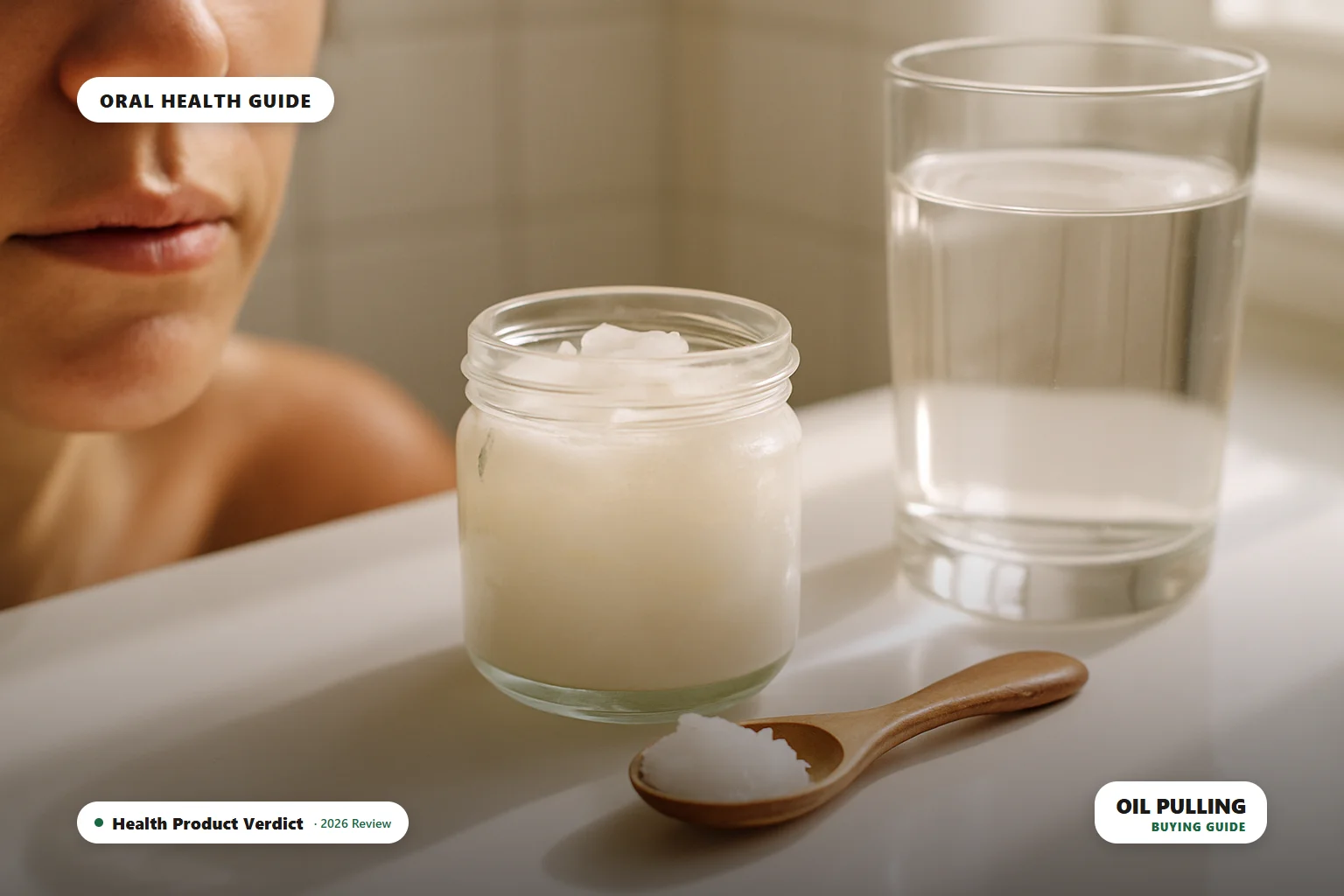
Oil pulling is a traditional practice, rooted in Ayurvedic medicine, that involves swishing a tablespoon of oil around the mouth for roughly 15 to 20 minutes, then spitting it out (never swallowing it, since it collects bacteria and debris). Coconut oil and sesame oil are the two versions with the most research behind them, according to a meta-analysis archived by the National Institutes of Health (NIH).
It’s worth noting this practice predates modern dentistry by centuries, and interest in it resurged in recent years largely through social media and wellness content rather than new clinical breakthroughs. That timeline matters: the research reviewed below existed quietly for years before the trend caught on, which is part of why it’s worth separating what’s actually been studied from what’s simply repeated often online.
Does Oil Pulling Actually Work? What the Research Shows
That NIH-archived meta-analysis reviewed 9 randomized controlled trials (344 total participants) comparing oil pulling against water or 0.2% chlorhexidine mouthwash, a standard antimicrobial rinse dentists consider a benchmark. The results were mixed but genuinely informative:
- Salivary bacterial counts: significantly reduced with oil pulling, performing comparably to chlorhexidine mouthwash on this specific measure
- Plaque index: no significant difference compared to control
- Gingival (gum inflammation) index: no significant difference compared to control
In plain terms: oil pulling does appear to lower the raw bacterial count in saliva, which is a real, measurable effect, not nothing. But that reduction didn’t translate into measurably less plaque buildup or less gum inflammation in these trials, which are the outcomes that actually matter most for day-to-day oral health.
Claims That Aren’t Well Supported
Oil pulling’s popularity online rests heavily on claims the research doesn’t back up. According to Tufts University, there is no robust scientific evidence confirming that oil pulling reduces cavities, whitens teeth, or broadly improves overall oral health, three of the most commonly repeated benefits associated with the practice. The reviewed cavity-prevention and whitening claims in particular are not supported by the current body of research, regardless of how often they show up in wellness content.
Why Experts Are Still Cautious
Beyond the mixed results themselves, the underlying research has real quality limitations. The NIH meta-analysis authors specifically flagged inconsistent study protocols (duration and timing varied trial to trial), small sample sizes, three of the nine studies sharing the same lead author (a potential source of bias), and signs of possible publication bias in how results were reported. Their own conclusion was that more large-scale, well-designed trials are needed before drawing firm conclusions either way.
Dentist Dr. Y. Natalie Jeong, quoted by Tufts, adds a mechanical explanation for why oil pulling likely can’t replace brushing: once plaque has actually formed and hardened into a biofilm on teeth, oil pulling is no more effective at removing it than simply rinsing with water, since swishing can’t physically disrupt plaque the way brushing and flossing do. The bigger concern isn’t oil pulling itself, it’s the risk of people leaning on it as a substitute for brushing, flossing, and regular dental visits rather than an addition to them.
How It’s Actually Done
The typical method: take about a tablespoon of coconut or sesame oil, swish it around the mouth for 15 to 20 minutes (most people work up to this gradually), then spit it into the trash, not the sink, since oil can clog pipes over time. Rinse with water afterward and brush as normal. It’s generally done on an empty stomach, often first thing in the morning, though the research reviewed didn’t find one specific protocol to be clearly superior to another.
When to Rely on a Dentist Instead
Oil pulling, at best, is a mild adjunct, not a substitute for professional care. If you’re dealing with visible plaque buildup, bleeding or swollen gums, persistent bad breath, tooth pain, or any signs of gum disease, see a dentist rather than relying on oil pulling to resolve it. It also shouldn’t replace routine cleanings, since removing hardened tartar below the gumline requires professional tools that swishing simply can’t substitute for.
Possible Solutions Worth Considering
Alongside brushing, flossing, and regular dental care, some people look for daily supplement support built around ingredients researched for oral microbiome balance.
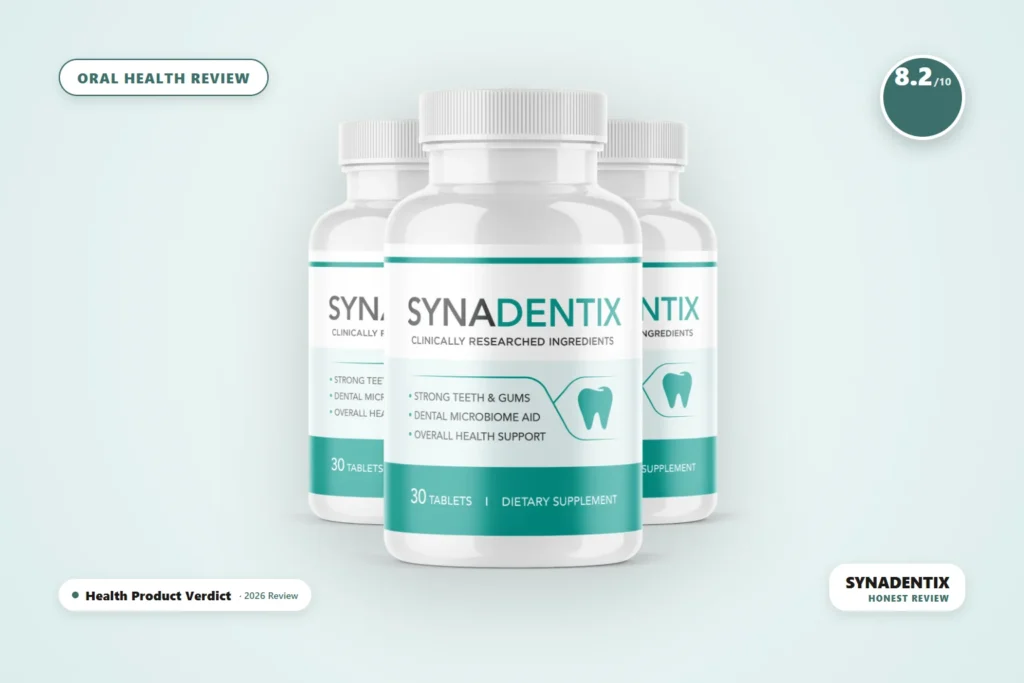
Synadentix
A daily oral health formula intended to be used alongside standard brushing, flossing, and dental checkups rather than as a replacement for them.
Read our full Synadentix review for the complete breakdown.
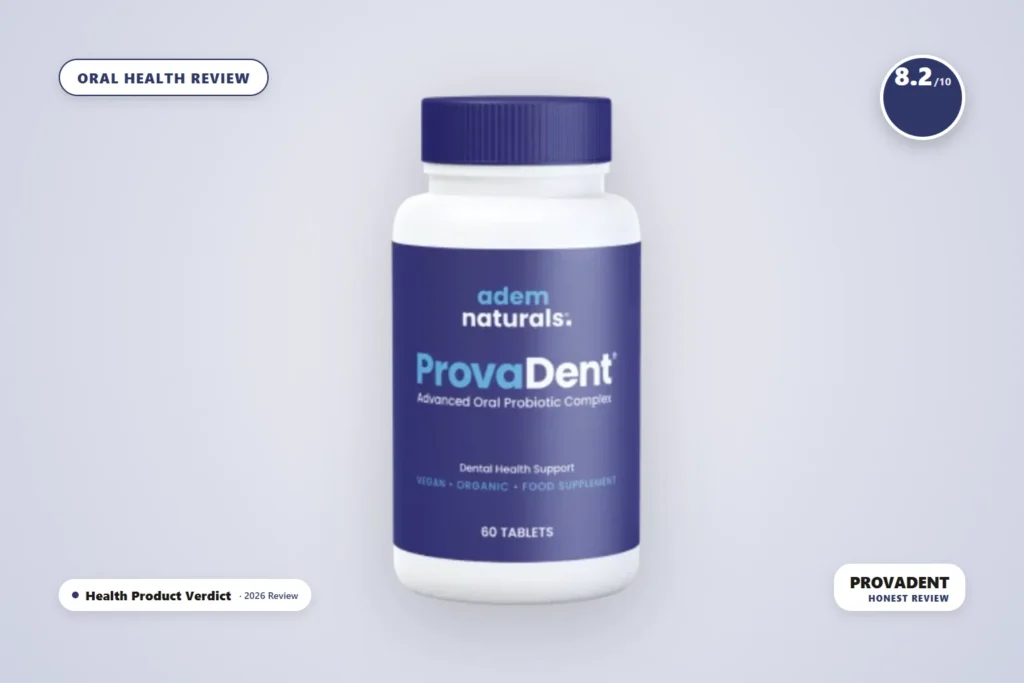
ProvaDent
Another daily oral health formula, worth comparing against Synadentix on ingredients and price before deciding between the two.
Read our full ProvaDent review for the complete breakdown.
FAQ
Why do dentists not recommend oil pulling?
Most dentists aren’t opposed to oil pulling itself, the concern is that people rely on it in place of brushing, flossing, and professional cleanings. Since it can’t mechanically remove hardened plaque the way brushing does, and current evidence doesn’t support cavity-prevention or whitening claims, dentists generally frame it as optional at best, not a core part of oral care.
Does oil pulling actually reduce bacteria in your mouth?
Yes, this is the one outcome with real supporting evidence. A meta-analysis of 9 randomized trials found oil pulling significantly reduced salivary bacterial counts, performing similarly to chlorhexidine mouthwash on that specific measure.
Do dentists recommend coconut oil pulling specifically?
Coconut oil is one of the two most-studied oils for pulling, alongside sesame oil, and the research doesn’t show one being clearly superior to the other. Neither is positioned by dentists as a recommended core practice, more as an optional addition some patients choose to try.
Is there a downside to oil pulling?
The main risk isn’t the practice itself, it’s using it as a substitute for brushing, flossing, and dental visits rather than an addition to them. Spitting oil down the sink repeatedly can also contribute to clogged pipes over time, so it should go in the trash instead.
Does oil pulling help with bad breath?
Since oil pulling measurably reduces oral bacterial counts, and bacteria are a major driver of bad breath, it’s plausible it could help to some degree. But it hasn’t been directly, rigorously studied for bad breath specifically in the way plaque and gingival scores have, so treat any improvement as a possible side benefit, not a proven fix.
How is oil pulling different from mouthwash?
Chlorhexidine mouthwash, the comparison point used in the research above, is a medical-grade antimicrobial rinse that dentists use as a benchmark precisely because of its established effectiveness. Oil pulling matched chlorhexidine only on reducing bacterial counts, not on the plaque and gum inflammation measures where chlorhexidine has stronger, more established backing. They aren’t interchangeable, and oil pulling shouldn’t be assumed to offer the same overall benefit just because one measure came out similar.
Conclusion
Does oil pulling actually work for oral health? Partly. The research genuinely supports a reduction in oral bacteria, but not the bigger claims around cavity prevention, whitening, or reduced gum inflammation that made it popular in the first place. It’s reasonable to try as a low-risk addition to your routine, but it isn’t a substitute for brushing, flossing, and regular dental care.
For the full picture on causes, habits, and every oral health product we’ve reviewed, see our Oral Health: The Complete 2026 Guide.
Related Reading
- Oral Health: The Complete 2026 Guide
- Gum Disease Stages Explained: From Gingivitis to Periodontitis
- How to Choose the Best Supplements: A Buyer’s Guide
This article is for informational purposes only and does not constitute medical or dental advice. Oil pulling should not replace brushing, flossing, or regular dental checkups. Consult a dentist for any oral health concerns.