
Quick answer: Blood sugar support supplements are aimed at people without a diabetes diagnosis who still deal with energy crashes, sugar cravings, and mood swings tied to glucose spikes and dips after meals. They are not a treatment for diabetes. A handful of ingredients, like berberine and chromium, have real research behind blood sugar regulation, but lifestyle changes, particularly what and when you eat, generally make a bigger difference than any single supplement.
- What Is Blood Sugar Support?
- Why Blood Sugar Swings Happen
- Signs Your Blood Sugar May Be Unbalanced
- Common Myths About Blood Sugar Supplements
- Lifestyle Strategies That Matter Most
- When to See a Doctor
- How Blood Sugar Supplements Work
- Ingredients Worth Knowing
- How We Evaluate These Products
- Comparing Every Blood Sugar Supplement We’ve Reviewed
- How to Choose the Right One
- FAQ
- Related Reading
If you’ve ever crashed hard an hour after lunch, felt shaky before dinner, or noticed your energy swinging wildly through the day, this blood sugar support guide is for you. Blood sugar management is one of the most researched areas of everyday health, and it’s also one of the most misunderstood, especially when it comes to what supplements can and can’t realistically do.
This guide covers the real mechanics behind blood sugar swings, the lifestyle changes with the strongest evidence behind them, how the supplements in this category are typically formulated, and an honest, side-by-side look at every blood sugar supplement we’ve reviewed on Health Product Verdict. If you already know which product you’re interested in, jump straight to the comparison section. If you want the full picture first, keep reading.
What Is Blood Sugar Support?
“Blood sugar support” is an umbrella term for anything, supplement, diet change, or habit, aimed at keeping glucose levels in a steady, healthy range rather than spiking after meals and crashing a few hours later. It’s not the same as diabetes treatment. None of the products in this guide are medications, and none of them are intended to diagnose, treat, cure, or replace prescribed care for diabetes or any other medical condition.
Instead, this category is aimed at the much larger group of people who don’t have a diabetes diagnosis but still deal with the day-to-day effects of blood sugar swings: energy crashes, sugar cravings, brain fog, and mood swings tied to what and when they last ate.
Why Blood Sugar Swings Happen
According to the National Institute of Diabetes and Digestive and Kidney Diseases (NIDDK), blood sugar regulation depends on a complex interaction between diet, insulin sensitivity, physical activity, sleep, and stress. When you eat, especially refined carbohydrates and sugar, your blood glucose rises and your pancreas releases insulin to move that glucose into your cells for energy. If this process works smoothly, your blood sugar returns to a stable baseline within a couple of hours.
Swings happen when this system gets stressed. Large or frequent spikes from high-sugar meals, insufficient sleep, chronic stress, and reduced insulin sensitivity (which naturally increases with age and excess body fat) can all make the glucose response less smooth, leading to a sharper spike followed by a sharper crash. Over time, repeatedly stressing this system is one of several factors linked to a higher risk of developing type 2 diabetes, which is why supporting healthy blood sugar earlier rather than later is a reasonable goal even without a diagnosis.
Insulin resistance sits at the center of most of this. When cells stop responding as efficiently to insulin’s signal, the pancreas compensates by producing even more insulin to get the same job done. This can work for years without any noticeable symptoms, which is part of why blood sugar issues are so often described as a “silent” progression. By the time symptoms like the ones below become noticeable, insulin resistance has frequently been building for a while already.
Age, excess body fat (particularly around the abdomen), a sedentary lifestyle, and family history all raise the baseline risk of developing insulin resistance, but none of them make it inevitable. This is exactly the gap that lifestyle changes and, for many people, supplements in this category are aimed at: supporting the body’s own glucose-handling machinery before it becomes a diagnosable problem.
Signs Your Blood Sugar May Be Unbalanced
These are common, non-diagnostic signs people associate with blood sugar swings. None of them confirm a medical condition on their own, but if several show up together and often, it’s worth a conversation with your doctor and possibly a basic blood panel.
- Energy crashes 1-2 hours after eating, especially after carb-heavy meals
- Strong sugar or carb cravings, particularly in the afternoon
- Feeling shaky, irritable, or lightheaded if a meal is delayed
- Difficulty losing weight around the midsection despite consistent effort
- Waking up tired even after a full night’s sleep
For a deeper look at one specific pattern, the post-meal crash, see our guide: Blood Sugar Crashing After Meals? Here Is What Might Help.
It’s worth being clear about what these signs don’t tell you. Fatigue, cravings, and irritability all have plenty of other possible explanations, from simple dehydration to thyroid issues to poor sleep quality unrelated to glucose at all. That’s exactly why we don’t recommend self-diagnosing based on symptoms alone. A basic fasting glucose or A1C test from your doctor is the only way to actually confirm whether blood sugar regulation is part of what you’re experiencing, and it costs far less than months of trial-and-error with supplements.
Common Myths About Blood Sugar Supplements
Before getting into the products themselves, a few misconceptions come up often enough in this category that they’re worth addressing directly.
Myth: “Natural” means no risk of interaction. Several of the most common ingredients in this category (gymnema, chromium, berberine, bitter melon) genuinely lower blood sugar. That’s the point of including them, but it also means combining them with prescription diabetes medication carries a real, documented risk of hypoglycemia (blood sugar dropping too low). Natural does not mean risk-free, and every reputable product should carry a warning about this.
Myth: A supplement alone will fix blood sugar swings. Every ingredient covered in this guide has research behind its individual role in glucose metabolism, but none of it was studied in a vacuum, isolated from diet and activity. The clinical trials behind these ingredients typically ran alongside standard diet and lifestyle advice, not as a replacement for it.
Myth: More ingredients automatically means a better formula. A longer ingredient list isn’t inherently superior. What matters more is whether each ingredient is present in a dose that resembles what was actually used in the research behind it, information that, honestly, most proprietary-blend supplements in this category (including several we’ve reviewed) don’t fully disclose. We flag this transparency gap in every individual review.
Lifestyle Strategies That Matter Most
Before any supplement, the strategies with the strongest evidence behind them are still the basics. No product in this category is designed to replace these, and every reputable brand we’ve reviewed says so directly on their own sales page.
- Pair carbs with protein or fat. Eating carbohydrates alongside protein, fiber, or healthy fat slows glucose absorption and blunts the spike compared to eating carbs alone.
- Move after meals. Even a 10-15 minute walk after eating measurably improves post-meal glucose response by helping muscles use glucose directly.
- Prioritize sleep. Poor sleep is directly linked to reduced insulin sensitivity the following day, which is part of why several supplements in this category (like GlucoTrust) pair blood sugar ingredients with a sleep-support angle.
- Manage stress. Chronically elevated cortisol from stress interferes with healthy blood sugar regulation over time.
- Stay consistent with meal timing. Long gaps between meals followed by large meals tend to produce sharper swings than smaller, more regular meals.
When to See a Doctor Instead of Reaching for a Supplement
Supplements in this category are designed for general support, not diagnosis or treatment. A few situations call for a doctor’s visit before anything else:
- Excessive thirst, frequent urination, or unexplained weight loss, which can indicate significantly elevated blood sugar and warrant prompt medical evaluation
- A family history of type 2 diabetes combined with several of the signs listed above
- You’re already on blood sugar or diabetes medication and considering adding a supplement on top of it
- Symptoms that are severe, sudden, or getting worse rather than gradually building over time
In all of these cases, a conversation with your doctor and, if appropriate, a basic blood test should come before trying any of the products in this guide.
How Blood Sugar Supplements Work
Every product in this category leans on a similar pool of botanicals and minerals, each with its own research history, rather than a single silver-bullet ingredient. Understanding these building blocks makes it much easier to evaluate any blood sugar supplement, including ones not covered on this site.
Broadly, the ingredients in this category work through one or more of three mechanisms: supporting insulin sensitivity (helping cells respond better to insulin’s signal), slowing carbohydrate absorption in the digestive tract (so glucose enters the bloodstream more gradually), or supporting the pancreas’s own insulin production. Some ingredients, like chromium, touch more than one of these pathways at once, which is part of why it shows up across so many different brands and formulations.
It’s worth repeating that none of these mechanisms replace the two interventions with the strongest evidence overall for blood sugar management: sustained changes to diet and physical activity. Supplements in this category are best understood as a supporting layer on top of those changes, not a substitute for them.
Ingredients Worth Knowing
One of the most common ingredients in this category, traditionally used in Ayurvedic medicine, with research suggesting a role in blood sugar support and reducing sugar cravings. Appears in GlucoTrust, RegenVive, Gluco Extend, and Sugar Defender.
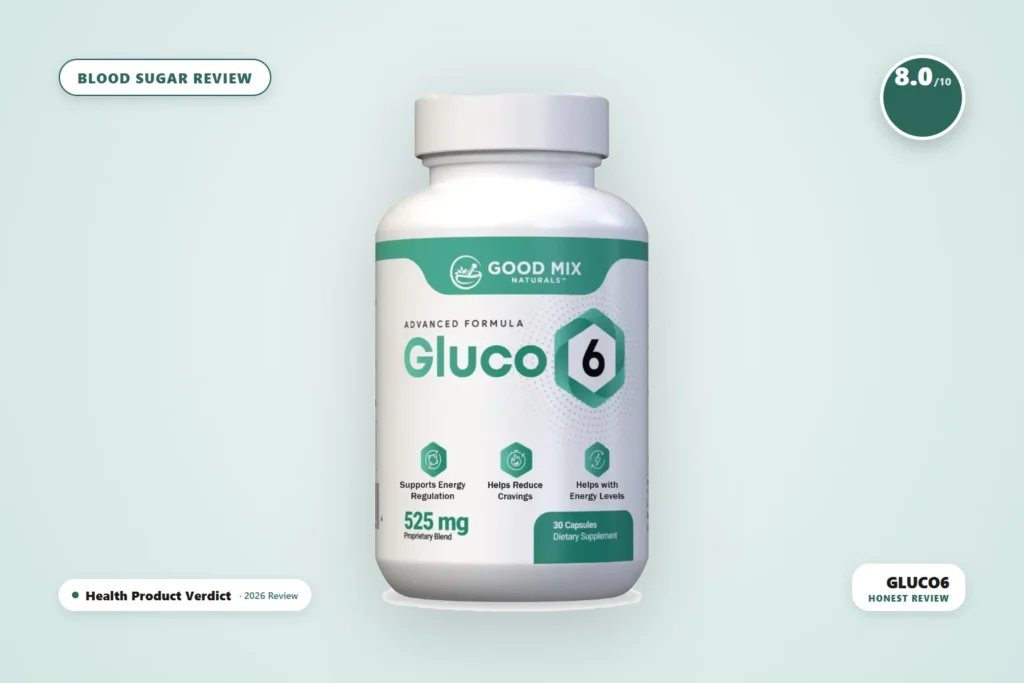
A trace mineral that supports insulin function and carbohydrate metabolism, one of the more studied minerals for blood sugar support. Appears in GlucoTrust, Sugar Defender, and Gluco6.
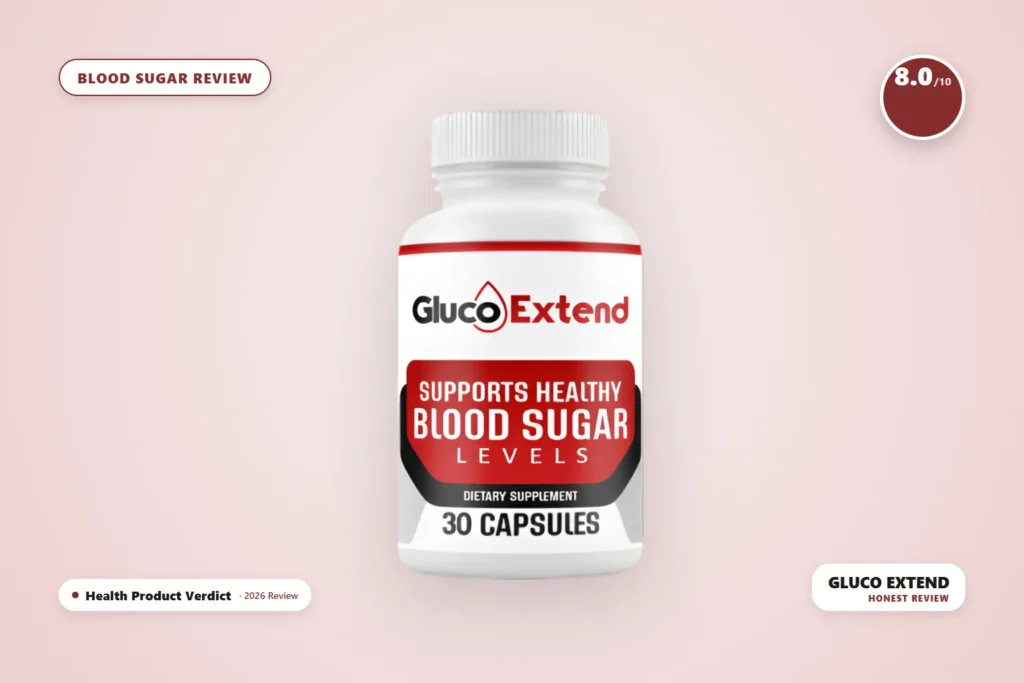
A plant compound studied for its role in glucose metabolism, often described in research as having effects comparable to some blood sugar medications, though it’s a supplement, not a substitute for prescribed treatment. Featured prominently in Gluco Extend.
Both long used traditionally for blood sugar support, with modern research on their role in glucose metabolism and insulin sensitivity. Bitter melon appears in RegenVive; cinnamon appears in GlucoTrust and Gluco6.
Alpha lipoic acid is an antioxidant studied for its role in glucose metabolism and nerve health; white mulberry leaf is traditionally used to slow carbohydrate absorption. Both appear in RegenVive.
A quick note on formulation style: some brands in this category (like Sugar Defender and Gluco6) also add energy-support botanicals such as ginseng, guarana, or TeaCrine, positioning themselves as a combined energy-and-glucose formula rather than a pure blood sugar product. That’s a legitimate formulation choice, but worth knowing if you specifically want a product focused only on glucose support.
How We Evaluate These Products
Every review on this site, including the six covered in this guide, is scored against the same criteria, so the comparison below is apples-to-apples rather than each product grading itself against its own marketing.
- Ingredient quality: whether the named ingredients have real, independent research behind their role in blood sugar or metabolic health, not just a claim on the label.
- Scientific evidence: whether the studies cited actually tested the ingredients used, at what doses, and whether the finished product itself has been separately tested (most haven’t, which we say plainly in every review).
- Dosage transparency: whether the brand discloses exact milligram amounts per ingredient or hides behind an undisclosed proprietary blend.
- Value for money: price per bottle at the best available package, weighed against the guarantee length and what’s actually in the formula.
- Manufacturer trust: whether the company discloses who they are, where the product is made, and what quality standards (like GMP certification) they follow.
Comparing Every Blood Sugar Supplement We’ve Reviewed
We’ve reviewed six blood sugar supplements in depth. Here’s an honest side-by-side, based on our full reviews of each. Scores reflect our overall assessment; read the full review for the complete ingredient breakdown, pricing, and our reasoning.
| Product | Score | Best For | Guarantee |
| GlucoTrust | 7.5/10 | Adults wanting a blood sugar formula with a sleep-support angle | 60-Day |
| Sugar Defender | 8.3/10 | Adults wanting a combined energy + glucose formula | 60-Day |
| Gluco Extend | 8.0/10 | Adults interested in a berberine-forward formula | 180-Day |
| Gluco6 | 8.0/10 | Adults wanting daily blood sugar and glucose support | 60-Day |
| RegenVive | 7.5/10 | Adults seeking a broad, traditional-botanical blood sugar formula | 90-Day |
Want a shorter, ranked take on the top options? See our Best Blood Sugar Supplements 2026 roundup.
How to Choose the Right One
A few practical filters, based on what we found reviewing all six products:
- Already on blood sugar medication? Talk to your doctor before adding any of these, since several ingredients (gymnema, chromium, berberine) can influence blood sugar and combining them with medication may increase the risk of levels dropping too low.
- Want the longest guarantee window? Gluco Extend’s 180-day guarantee is the longest in this comparison.
- Dealing with low energy alongside blood sugar concerns? Sugar Defender and Gluco6 both add energy-support botanicals on top of glucose ingredients.
- Sleep also an issue? GlucoTrust is the only formula in this group that pairs blood sugar ingredients with a dedicated sleep-support blend.
- Want the most extensively multi-ingredient formula? RegenVive combines the widest range of traditional blood sugar botanicals.
One more filter worth applying regardless of which product you’re considering: check whether the brand discloses individual ingredient doses or hides everything behind a single “proprietary blend” total. Every product covered in this guide uses some form of proprietary blend, which is standard for this category, but the degree of transparency varies, and we call this out specifically in each individual review.
FAQ
Can blood sugar supplements replace diabetes medication?
No. None of the products covered in this guide are intended to diagnose, treat, cure, or replace prescribed medication for diabetes or any other medical condition. If you’re on blood sugar medication, talk to your doctor before adding any supplement, since several common ingredients can influence blood sugar levels.
How long does it take to notice a difference?
Across the products we’ve reviewed, most brands suggest evaluating results over 60-90 days of consistent use rather than expecting an immediate change, which lines up with how long it typically takes for lifestyle and supplement changes to meaningfully affect metabolic markers.
Are these supplements safe to take together with each other?
We don’t recommend combining multiple blood sugar supplements at once. Many share overlapping ingredients (like gymnema and chromium), and stacking similar products increases the risk of taking more of an active ingredient than intended. Choose one and give it a fair trial period.
What’s the difference between a blood sugar supplement and a diabetes supplement?
In practice, the terms overlap heavily in marketing, but legally, none of the products in this guide can claim to treat diabetes, since that would require regulatory approval as a drug. They’re formulated and marketed as general blood sugar support supplements for people without a diabetes diagnosis, or as a complementary addition alongside (never instead of) prescribed care.
Do I need a prescription to try one of these?
No, all six products in this guide are over-the-counter dietary supplements, not medications. That said, if you have a diagnosed condition or take medication, checking with your doctor first is always the safer approach.
Which blood sugar supplement should I start with if I’ve never tried one?
There’s no single universal answer, since the right pick depends on your specific priorities. If dosage transparency and a well-rounded formula matter most to you, RegenVive is the most extensively multi-ingredient option we’ve reviewed. If you also want the longest guarantee window to test it risk-free, Gluco Extend’s 180-day guarantee stands out. Read the full comparison table above, or the individual reviews linked throughout this guide, before deciding.
Why do some blood sugar supplements also include energy ingredients?
Fatigue and blood sugar crashes are closely linked for a lot of people, so some brands (Sugar Defender and Gluco6 among the ones we’ve reviewed) formulate around both goals at once, adding ingredients like ginseng, guarana, or TeaCrine on top of the glucose-support botanicals. This is a legitimate formulation strategy, but it does mean these products contain mild stimulant ingredients that pure glucose-focused formulas (like GlucoTrust or Gluco Extend) don’t include, which is worth knowing if you’re sensitive to caffeine-like ingredients.
Related Reading
- Why Is My Vision Blurry After Eating?
- How to Choose the Best Supplements: A Buyer’s Guide
- Blood Sugar Crashing After Meals? Here Is What Might Help
- Insulin Resistance vs. Prediabetes: What’s the Real Difference?
- Does Berberine Actually Lower Blood Sugar?
- Best Blood Sugar Supplements 2026: Top 4 Compared
- GlucoTrust Review
- Sugar Defender Review
- Gluco Extend Review
- Gluco6 Review
- RegenVive Review
Health Product Verdict provides independent analysis and reviews of health-related products. Our content is for informational purposes only and does not constitute medical advice. Always consult a qualified healthcare professional before starting any supplement, especially if you take medication for diabetes or a related condition.