
The brain fog gut connection is more than a wellness trend. Real clinical research has found that people with unexplained brain fog are significantly more likely to also have gut issues like small intestinal bacterial overgrowth (SIBO) than people without it.
Quick answer: yes, gut issues can cause brain fog. A gut-brain axis links digestive health directly to mental clarity through inflammation, nutrient absorption, and bacterial byproducts that can reach the bloodstream. Conditions like SIBO, leaky gut, and IBS are all associated with brain fog in published research, and in some documented cases, treating the underlying gut issue resolved the brain fog too.
The Brain Fog Gut Connection, Explained
Your gut and brain communicate constantly through what researchers call the gut-brain axis, a two-way system of nerve signals, immune messengers, and bacterial byproducts. When digestion is working smoothly, this communication is mostly invisible. When it isn’t, the effects can reach well beyond the stomach.
The gut lining, gut bacteria, and immune system are closely linked. When that balance is disrupted, inflammatory signals and bacterial byproducts can affect how clearly you think, not just how your stomach feels. This is why gut problems so often show up as fatigue, poor concentration, and mental cloudiness rather than just digestive symptoms.
What the Research Actually Found
A 2018 clinical study published in Clinical and Translational Gastroenterology looked specifically at patients with unexplained brain fog, gas, and bloating. Source: Clinical and Translational Gastroenterology (PMC).
Researchers compared 30 patients with brain fog to 8 patients with similar digestive symptoms but no brain fog. Small intestinal bacterial overgrowth, or SIBO, was found in 68% of the brain fog group compared to just 28% of the non-brain-fog group. A related condition called D-lactic acidosis, where gut bacteria produce a compound that can affect brain function, showed an even bigger gap: 77% of the brain fog group versus 25% of the other group.
Here is the part that matters most for anyone dealing with this: after stopping probiotics and completing a course of antibiotics targeting the bacterial overgrowth, brain fog resolved and digestive symptoms significantly improved in 23 of the 30 patients, or 77% of the group. This does not mean probiotics are bad for everyone. It means that in this specific pattern, an overgrowth of gut bacteria was very likely producing compounds that reached the brain and caused real, measurable mental cloudiness.
Other Gut Issues Linked to Brain Fog
SIBO is not the only digestive condition tied to brain fog. A few other gut issues show up repeatedly in both research and patient reports:
- Leaky gut (intestinal permeability): when the gut lining becomes compromised, bacterial byproducts can enter the bloodstream and trigger a low-grade immune response that reaches the brain.
- Irritable bowel syndrome (IBS): heavily correlated with brain fog, fatigue, and anxiety, likely tied to gut bacteria imbalance and an overactive stress response.
- Inflammatory bowel disease (IBD): chronic gut inflammation from conditions like Crohn’s disease can also impair absorption of nutrients such as vitamin B12 and iron, both of which are needed for normal cognitive function.
- Celiac disease and food sensitivities: immune reactions to gluten or other trigger foods can cause local gut inflammation that cascades into fatigue and cloudy thinking.
For general background on how digestive health connects to the rest of the body, see: NIDDK Digestive Diseases.
Signs Your Brain Fog Might Be Gut-Related
Brain fog has many possible causes, from poor sleep to nutrient deficiencies. A few patterns can point specifically toward a gut-related trigger:
- Mental cloudiness tends to show up or worsen shortly after eating, especially after larger meals
- Brain fog comes paired with bloating, gas, or abdominal discomfort rather than showing up on its own
- Symptoms started or worsened around the same time as a change in diet, a course of antibiotics, or starting a new probiotic
- You also notice fatigue, food sensitivities, or irregular bowel habits
None of these signs confirm a gut cause on their own, but the more of them that apply, the stronger the case for looking at digestive health as part of the picture.
When to See a Doctor
See a doctor if brain fog is persistent, worsening, or paired with unexplained weight loss, blood in stool, severe abdominal pain, or symptoms that interfere with daily function. A doctor can test for SIBO, celiac disease, nutrient deficiencies, and other conditions that mimic or contribute to gut-related brain fog, rather than guessing at the cause on your own.
Possible Solutions Worth Considering
Alongside a conversation with a doctor, some people look for supplement support built around gut health or the gut-brain axis specifically.
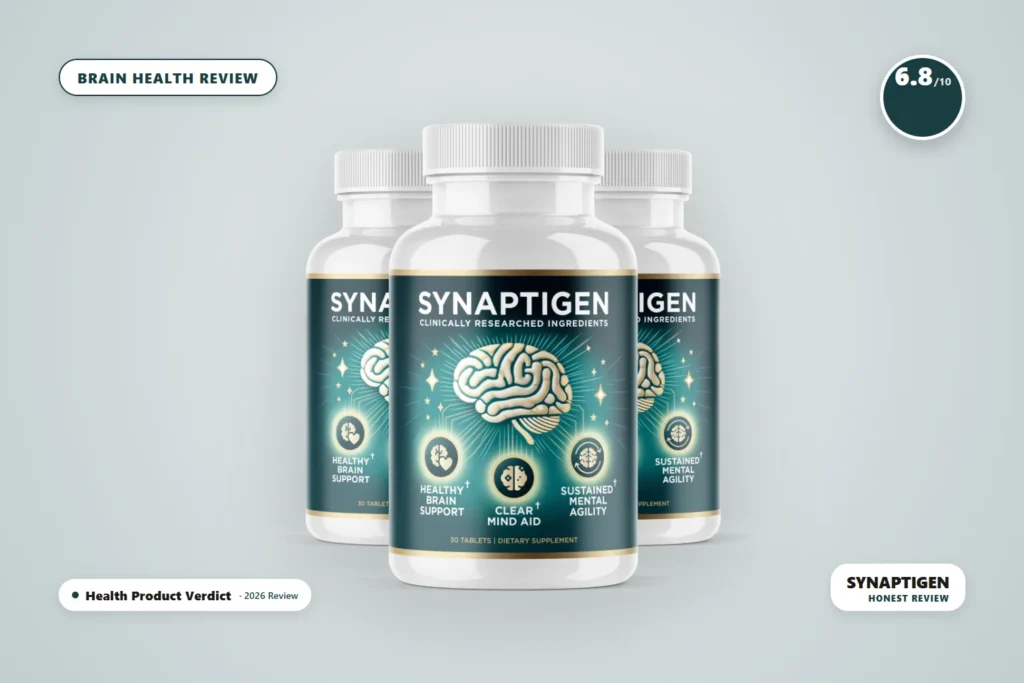
Synaptigen
A melt-in-mouth tablet built specifically around the gut-brain axis, using probiotic and prebiotic strains (L. Paracasei, L. Reuteri, B. Lactis BL-04, and inulin) rather than traditional nootropic ingredients. It is marketed for memory and mental clarity through gut health support, which lines up directly with the mechanism described in this article.
Read our full Synaptigen review for the complete ingredient and pricing breakdown.
DigestiStart
A once-daily capsule built around a blend of traditional herbal ingredients (including wild yam, poria cocos, schisandra, and cistanche), intended to support smoother digestion generally rather than targeting brain fog specifically. It may appeal to anyone whose gut symptoms come with occasional sluggish digestion.
Read our full DigestiStart review for the complete ingredient and pricing breakdown.
FAQ
Can gut issues really cause brain fog?
Yes. The brain fog gut connection is documented in clinical research. A 2018 study found that patients with unexplained brain fog had significantly higher rates of small intestinal bacterial overgrowth and D-lactic acidosis than patients with similar digestive symptoms but no brain fog, and brain fog resolved in most patients once the underlying gut issue was treated.
What gut issues cause brain fog?
SIBO, leaky gut, IBS, inflammatory bowel disease, and celiac disease or food sensitivities are all linked to brain fog in research and patient reports, generally through inflammation, bacterial byproducts, or impaired nutrient absorption.
Can probiotics cause brain fog instead of helping it?
In some documented cases, yes. In the 2018 study, all 30 patients with brain fog were taking probiotics, and symptoms improved in most of them after stopping probiotics and treating the underlying bacterial overgrowth. This does not mean probiotics cause brain fog for everyone, but it is a pattern worth discussing with a doctor if fog started after beginning a new probiotic.
How long does gut-related brain fog take to clear up?
In the 2018 clinical study, brain fog and digestive symptoms significantly improved after a course of antibiotics targeting the bacterial overgrowth, with most patients responding within the treatment period. Recovery time varies by underlying cause and should be guided by a doctor.
What foods help clear brain fog linked to gut health?
There is no single food that reliably clears gut-related brain fog, since the underlying cause (SIBO, leaky gut, food sensitivity, and so on) varies by person. A doctor or dietitian can help identify trigger foods and recommend a gut-supportive eating pattern based on the specific issue involved.
Conclusion
The brain fog gut connection is not just theory. Real clinical research has found a measurable link between gut issues like SIBO and unexplained mental cloudiness, and treating the underlying gut problem resolved brain fog in the majority of patients studied. If your brain fog shows up alongside bloating, gas, or other digestive symptoms, it is worth looking at gut health as part of the picture, alongside sleep, stress, and nutrition.
For more on memory and cognitive support, see our Struggling With Brain Fog? Here Is What Actually Sharpens Memory guide. For more on digestive health generally, see our Digestive Comfort: The Complete 2026 Guide.
Related Reading
- Struggling With Brain Fog? Here Is What Actually Sharpens Memory
- Memory and Brain Fog: Causes and What Might Help
- Digestive Comfort: The Complete 2026 Guide
- Bloating After Meals? Causes and What Might Help in 2026
This article is for informational purposes only and is not a substitute for professional medical advice. Talk to a doctor about persistent or severe brain fog or digestive symptoms.