
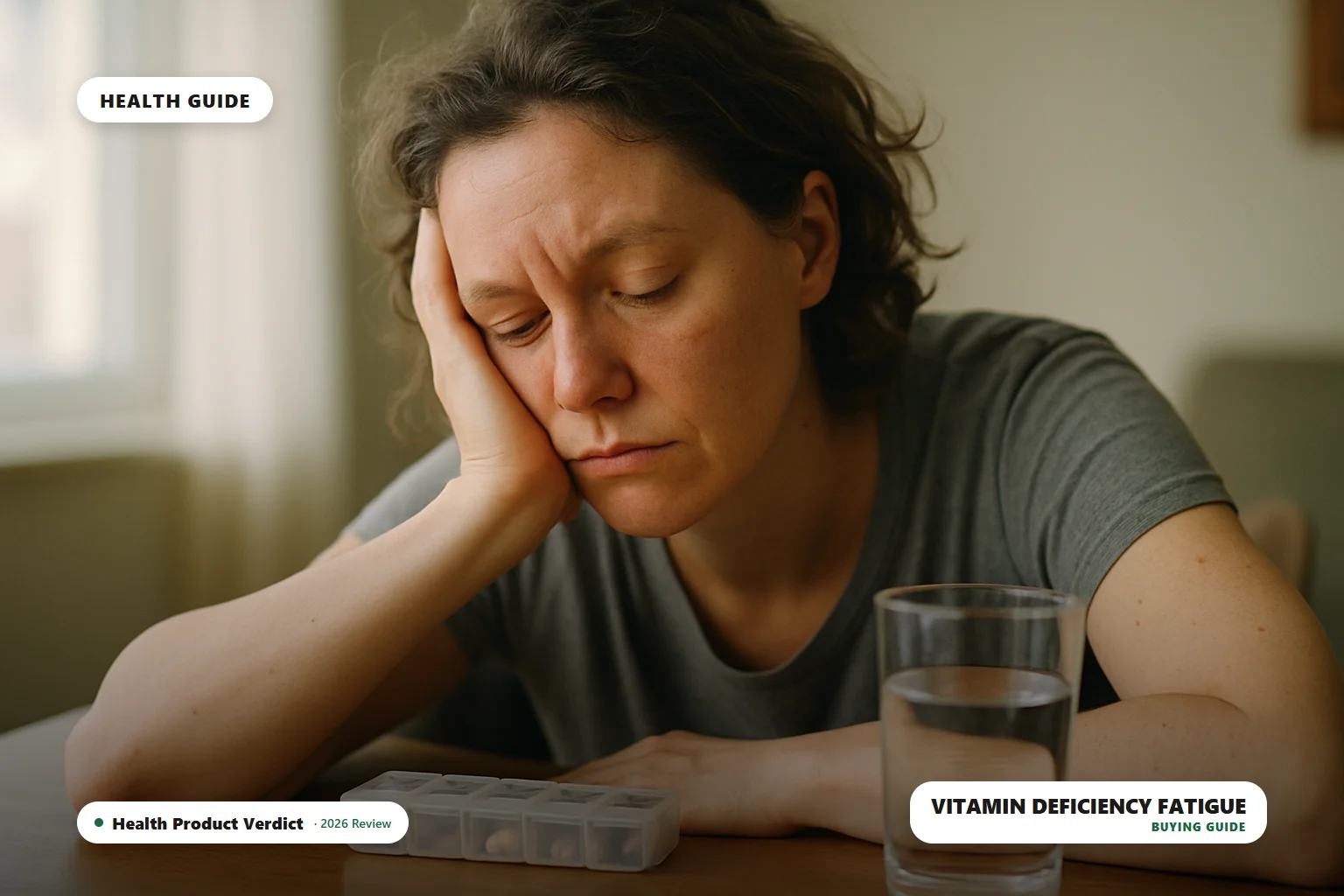
When tiredness doesn’t let up no matter how much you rest, it’s worth asking whether a vitamin deficiency be the reason you’re always tired, since iron and B12 are two of the most common, and most overlooked, testable causes.
Quick answer: a vitamin deficiency be the reason you’re always tired more often than people realize, particularly iron and vitamin B12. Both are common, both cause a distinct pattern of fatigue beyond just feeling sleepy, and both are confirmed or ruled out with a simple blood test. Iron deficiency is one of the most common causes of tiredness worldwide, especially in women with heavy periods, while B12 deficiency is more common in older adults, people eating plant-based diets, and those with absorption problems.
Iron Deficiency: Signs to Watch For
Iron helps your blood carry oxygen, so when levels are low, cells throughout the body don’t get enough oxygen to function normally. Beyond general tiredness, iron deficiency commonly causes breathlessness with mild effort, pale skin, dizziness, cold hands and feet, and brittle nails. It’s especially common in women with heavy periods and during pregnancy.
B12 Deficiency: A Different Kind of Tired
Low B12 tends to cause a deeper, more persistent kind of fatigue than iron deficiency, along with tingling or numbness in the hands and feet, memory or concentration problems, and sometimes a sore tongue. It’s more common in older adults, people on plant-based diets (B12 comes mainly from animal products), and anyone with an absorption problem. Left unaddressed, severe B12 deficiency can progress to more serious neurological symptoms. Source: PMC.
Which Blood Tests Actually Confirm It
A standard fatigue workup typically includes a complete blood count, iron studies, vitamin B12, folate, vitamin D, thyroid function, and blood sugar, with the specific panel chosen based on your symptoms. For B12 specifically, key diagnostic markers include low serum B12 alongside elevated homocysteine and methylmalonic acid levels, which can catch a deficiency even when the basic B12 number looks borderline. Source: Cleveland Clinic.
When to See a Doctor
See a doctor if fatigue has lasted more than a few weeks, if you notice any of the specific signs above (pale skin, breathlessness, tingling in the hands or feet, memory problems), or if you’re in a higher-risk group: heavy periods, pregnancy, a plant-based diet, older age, or a known digestive condition that affects absorption. Don’t self-treat with high-dose supplements before testing, since taking iron without a confirmed deficiency carries its own risks.
Possible Solutions Worth Considering
Once a real deficiency is confirmed (or if you’re supporting general energy levels alongside a balanced diet), some people look for daily formulas built around energy-related nutrients and cellular support.
Advanced Amino Formula
A daily formula built around amino acids intended to support recovery and energy availability, used as general support rather than a substitute for treating a confirmed deficiency.
Read our full Advanced Amino Formula review for the complete breakdown.
Advanced Mitochondrial Formula
A formula built around ingredients associated with mitochondrial (cellular energy) support, taken daily as ongoing support for energy production at the cellular level.
Read our full Advanced Mitochondrial Formula review for the complete breakdown.
FAQ
Could a vitamin deficiency be the reason you’re always tired?
Yes, it’s one of the more common and directly testable causes of persistent tiredness, particularly iron and vitamin B12 deficiency. A simple blood test can confirm or rule it out.
What’s the difference between iron and B12 deficiency symptoms?
Iron deficiency tends to cause breathlessness with mild effort, pale skin, and cold hands and feet. B12 deficiency tends to cause a deeper fatigue along with tingling or numbness in the hands and feet and memory or concentration issues.
Who is most at risk for these deficiencies?
Iron deficiency is most common in women with heavy periods and during pregnancy. B12 deficiency is more common in older adults, people on plant-based diets, and anyone with a digestive condition affecting absorption.
Should I just start taking iron or B12 supplements to see if it helps?
It’s better to test first. Taking iron supplements without a confirmed deficiency carries its own risks, and testing tells you definitively whether this is actually your cause before you spend time and money guessing.
What blood tests should I ask my doctor for?
A reasonable starting panel includes a complete blood count, iron studies, vitamin B12, folate, thyroid function, and blood sugar. For B12 specifically, ask about homocysteine and methylmalonic acid if your B12 level is borderline rather than clearly low.
Conclusion
A vitamin deficiency be the reason you’re always tired is a real, common possibility worth ruling out, especially if you’re in a higher-risk group for iron or B12 deficiency. A simple blood test is the most direct way to find out, and it’s a better first step than guessing with supplements.
For the full picture on low energy, habits, and every energy support product we’ve reviewed, see our Always Tired? The Real Causes of Low Energy and How to Fix It.
Related Reading
- Always Tired? The Real Causes of Low Energy and How to Fix It
- Why Am I Tired All the Time Even Though I Sleep Enough?
- Low Energy and Fatigue: Causes and What Might Help
This article is for informational purposes only and does not constitute medical advice. Consult a healthcare professional before starting any supplement, especially iron, and get tested before self-treating a suspected deficiency.