
Quick answer: Age-related hearing changes and occasional ringing in the ears (tinnitus) are extremely common, and are usually linked to inner ear circulation, oxidative stress, or natural wear on the tiny hair cells that detect sound. No supplement can reverse structural hearing damage, but some people add a daily formula built around circulation-supporting or antioxidant ingredients alongside protecting their ears from loud noise. This guide covers the real causes and a few supplement options worth knowing about.
What Causes Age-Related Hearing Changes?
Age-related hearing loss, called presbycusis, is one of the most common conditions affecting older adults. According to the National Institute on Deafness and Other Communication Disorders (NIDCD), roughly one in three people between ages 65 and 74 has some degree of hearing loss, and it becomes more common with each decade after that.
Tinnitus, the perception of ringing or buzzing without an external sound source, often accompanies these changes, though it can also occur on its own.
Main Causes
The tiny hair cells inside the inner ear that detect sound naturally wear down over time and don’t regenerate once damaged. Reduced blood flow to the inner ear, oxidative stress, and cumulative exposure to loud noise over a lifetime all contribute to this wear.
Certain medications, chronic conditions like diabetes and high blood pressure, and genetics can also play a role in how quickly these changes progress.
Common Symptoms
Age-related hearing changes often show up as:
- Difficulty following conversations in noisy environments
- Needing the TV or radio louder than others prefer
- Ringing, buzzing, or hissing sounds (tinnitus)
- Trouble hearing higher-pitched voices or sounds
Sudden hearing loss, hearing loss in only one ear, or tinnitus paired with dizziness should be evaluated by a doctor promptly, since these can point to a condition beyond typical age-related change.
Possible Solutions Worth Considering
Protecting your ears from loud noise and getting regular hearing checkups are the most reliable ways to preserve hearing over time. Some people also add a daily supplement built around circulation and antioxidant support. Below are three formulas we’ve reviewed in depth, each with a different format and ingredient approach.
Audifort
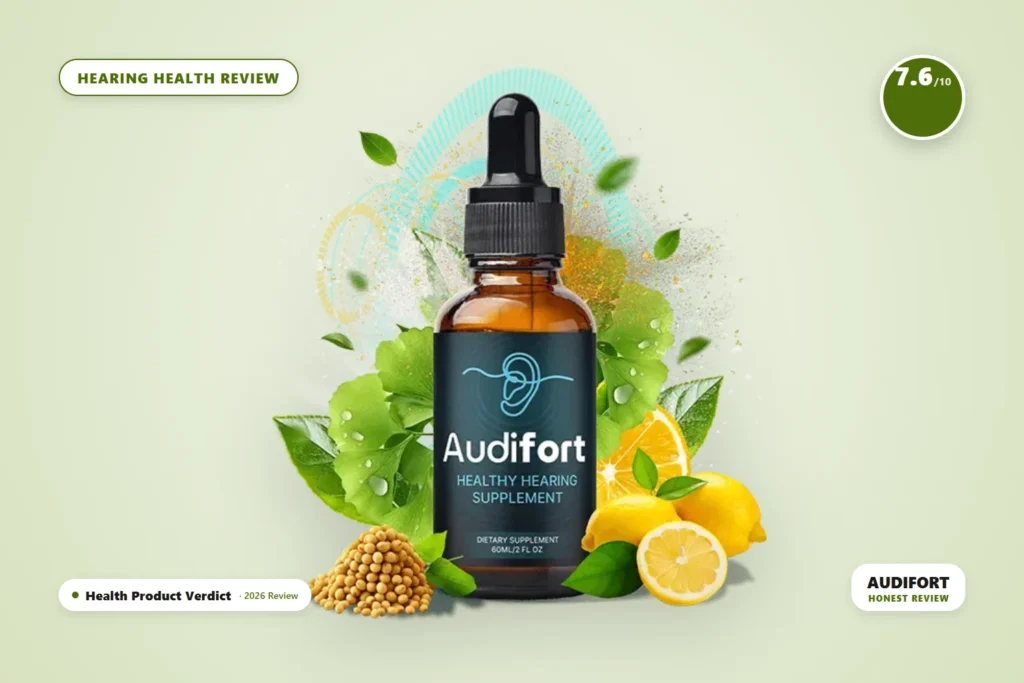
Audifort is a liquid drop supplement built around grape seed, green tea, capsicum, maca root, GABA, and gymnema sylvestre, taking a circulation and antioxidant approach. The full ingredient list runs over 20 compounds, though only six are prominently featured on the sales page. It comes with a 90-day money-back guarantee.
Read our full Audifort review for ingredients, pricing, and side effects.
Quietum Plus
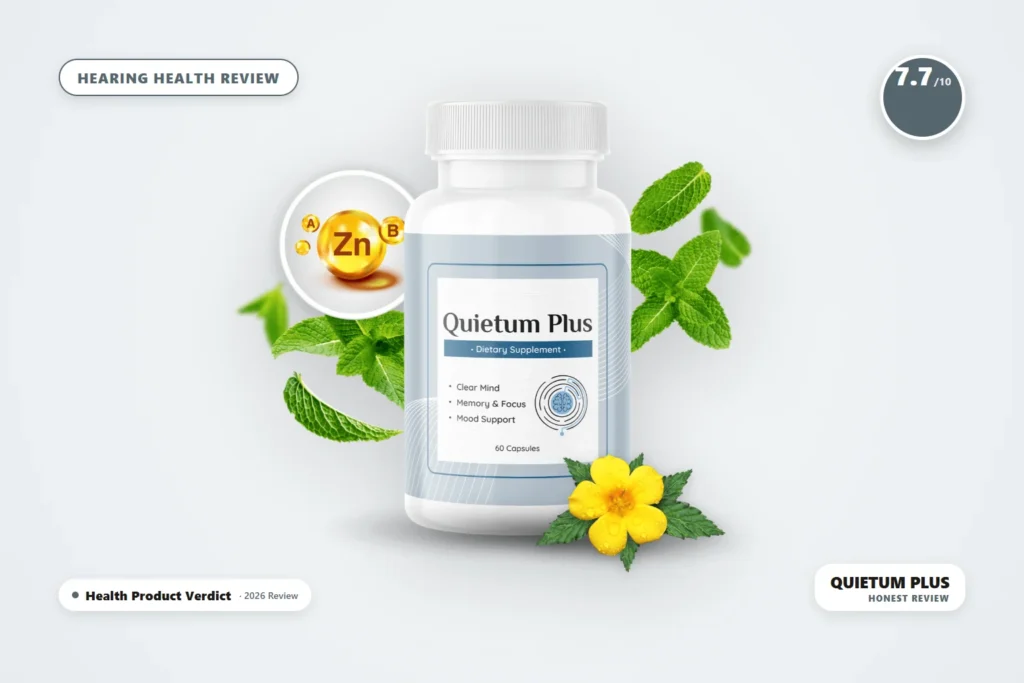
Quietum Plus takes a broader approach, combining 18 plant extracts, vitamins, and minerals, including epimedium, dong quai, muira puama, ashwagandha, and vitamins A and B with zinc, nutrients tied to auditory nerve function. It’s a capsule format taken twice daily and carries a 60-day money-back guarantee.
Read our full Quietum Plus review for ingredients, pricing, and side effects.
ZenCortex
ZenCortex is a liquid drop supplement combining grape seed, green tea, gymnema sylvestre, and panax ginseng, aimed at supporting hearing and mental clarity together. The label claims “over 20” ingredients but only names 8, and no clinical trial is published for the finished formula. It comes with a 60-day money-back guarantee.
Read our full ZenCortex review for ingredients, pricing, and side effects.
Audifort and ZenCortex both use a liquid drop format with overlapping circulation-focused ingredients, while Quietum Plus takes a broader capsule approach with more named ingredients. None of the three reverse structural hearing damage, and all are best paired with noise protection and regular hearing checkups.
FAQ
Can hearing supplements reverse hearing loss?
No. Once the hair cells inside the inner ear are damaged, they don’t regenerate, and no supplement can reverse that structural damage. Ingredients focused on circulation and antioxidant support may help support the ear’s overall environment, but they aren’t a cure.
What actually helps with tinnitus?
Managing tinnitus often involves protecting your ears from further noise exposure, addressing underlying conditions like high blood pressure, and in some cases sound therapy or hearing aids. See a doctor for a proper evaluation, especially if it started suddenly.
At what age should I start getting regular hearing checkups?
Hearing specialists generally recommend a baseline hearing test around age 50, then every few years after that, or sooner if you notice any changes.
Does noise exposure earlier in life still matter now?
Yes. Hearing damage from loud noise is cumulative over a lifetime, meaning exposure decades ago can still contribute to these changes you notice today, even if you’ve since reduced your exposure to loud environments.
When should hearing changes prompt a doctor visit instead of a supplement?
See a doctor promptly for sudden hearing loss, hearing loss in only one ear, or tinnitus combined with dizziness or ear pain, since these can signal a condition that needs medical evaluation rather than a supplement.
Related Reading
Conclusion
Age-related hearing changes and tinnitus are common and usually tied to natural wear on the inner ear, reduced circulation, and cumulative noise exposure, not one single cause. Noise protection and regular hearing checkups matter most, and a well-formulated supplement can be a reasonable addition for some people. Look at the ingredients and guarantee terms rather than the marketing story, and see a doctor promptly for sudden or one-sided these changes.
Health Product Verdict provides independent analysis and reviews of health-related products. Our content is for informational purposes only and does not constitute medical advice. Always consult a qualified healthcare professional before starting any supplement or health program.