Quick answer: A slow metabolism after 40 is a real, well-documented part of aging, driven mostly by gradual muscle loss and hormonal shifts, not a single “broken” mechanism. Strength training and adequate protein intake are the two habits with the most research behind them, and some people also add a capsule or tea built around metabolism-supporting ingredients like berberine or green tea extract. This guide covers the real causes and a few supplement options worth knowing about.
What Causes a Slow Metabolism?
Metabolism is the rate at which your body converts food into energy. According to the National Institute on Aging (NIA), resting metabolic rate does decline with age, largely because people naturally lose muscle mass over time, and muscle burns more calories at rest than fat tissue does.
This decline is gradual rather than sudden, but it adds up, which is why the same diet and activity level that maintained weight in someone’s 20s or 30s often no longer does in their 40s and beyond.
Main Causes
Age-related muscle loss, known as sarcopenia, is one of the biggest contributors, and it accelerates without regular resistance exercise. Hormonal shifts, including declining estrogen and testosterone, also play a role in how the body stores and burns fat.
Reduced physical activity, less consistent sleep, and higher stress levels (which raise cortisol) can all compound the effect, making stubborn weight gain feel like it happens even without major changes to diet.
Common Signs
A slowing metabolism often shows up as:
- Weight that creeps up despite eating the same as before
- Lower energy levels throughout the day
- Fat that concentrates more around the midsection
- Weight loss that feels harder to achieve than it used to
Sudden or unexplained weight changes, especially alongside fatigue, hair loss, or temperature sensitivity, are worth discussing with a doctor, since they can point to a thyroid or other metabolic condition rather than ordinary aging.
Possible Solutions Worth Considering
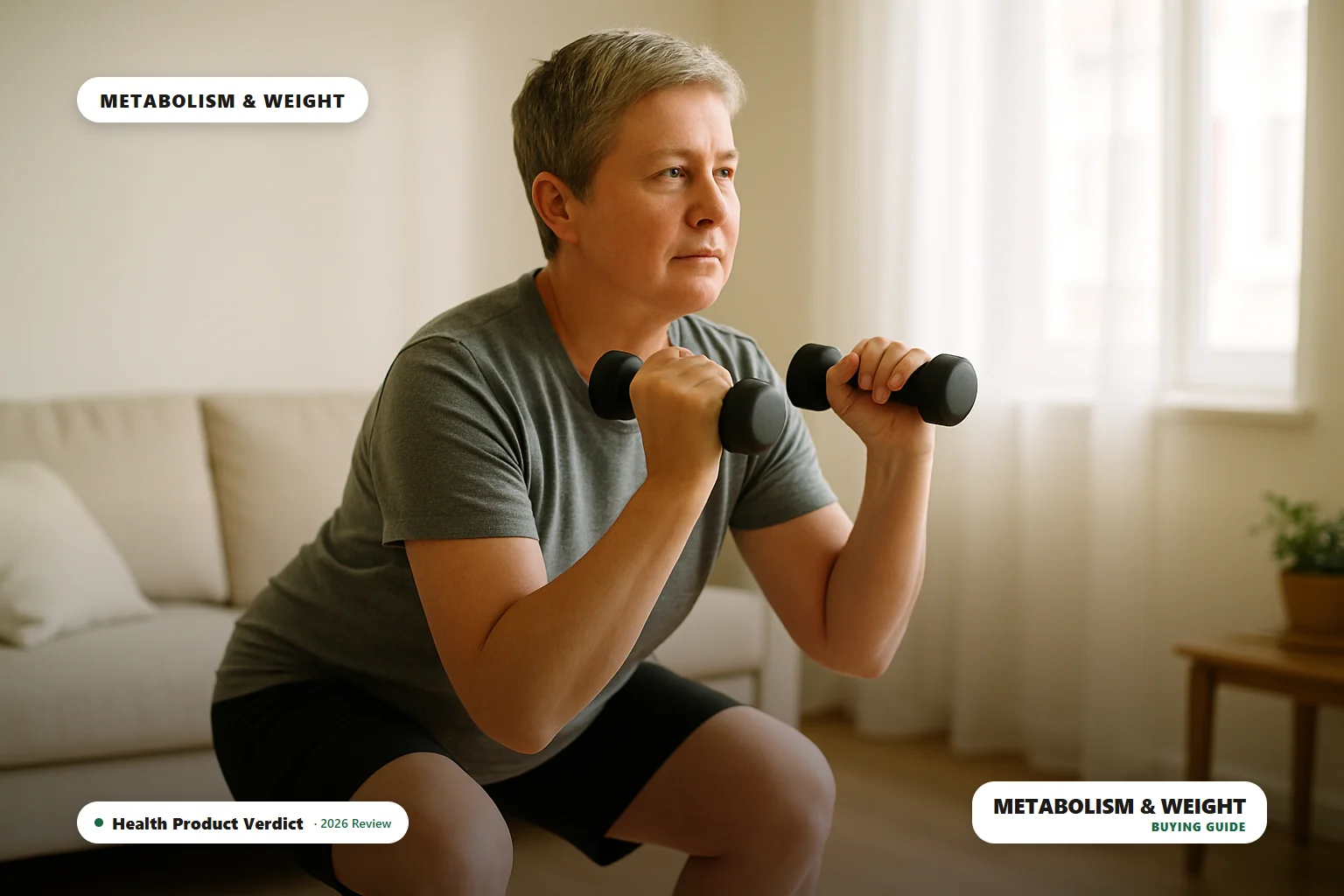
Strength training to preserve muscle mass, adequate protein intake, and consistent sleep are the habits with the strongest research behind them. Some people also add a daily capsule or tea built around metabolism-supporting ingredients. Below are three formulas we’ve reviewed in depth, each with a different format and ingredient approach.
CitrusBurn
CitrusBurn is a capsule built around Seville orange peel (a source of synephrine), red pepper, ginger, green tea, and berberine, taking a thermogenic approach. It’s worth noting the sales page markets it as “stimulant-free” even though synephrine can act as a mild stimulant. It comes with a 180-day money-back guarantee.
Read our full CitrusBurn review for ingredients, pricing, and side effects.
Ignitra
Ignitra is a capsule combining six named ingredients, including riboflavin, mangosteen, prickly pear, and berberine HCL, with the rest of the formula grouped into an undisclosed proprietary blend. Dosage instructions are vague on the label. It carries a 180-day money-back guarantee.
Read our full Ignitra review for ingredients, pricing, and side effects.
Cardio Slim Tea
Cardio Slim Tea takes a different format entirely, an herbal tea blend of 15 plant-based ingredients including beetroot powder, hibiscus flowers, and hawthorn berries, aimed at supporting blood pressure and weight together. The brand’s “homocysteine” narrative behind the formula overstates the science, so it’s worth judging this one on the ingredients rather than the story. It comes with a 60-day money-back guarantee.
Read our full Cardio Slim Tea review for ingredients, pricing, and side effects.
CitrusBurn and Ignitra are both capsules with a thermogenic or metabolic focus, while Cardio Slim Tea is a tea format aimed more broadly at blood pressure and weight together. None of the three replace strength training, protein intake, or medical care for a diagnosed metabolic condition.
FAQ
Can you actually speed up a slow metabolism?
You can influence it. Building and maintaining muscle mass through resistance training is the most reliable way to support a healthy resting metabolic rate as you age, since muscle burns more calories at rest than fat tissue.
Does eating more protein really help?
Yes. Protein has a higher thermic effect than fat or carbohydrates, meaning your body burns more calories digesting it, and adequate protein intake also supports muscle maintenance, which matters for long-term metabolic health.
Is it normal for metabolism to slow down significantly after 40?
Some decline is normal and expected due to gradual muscle loss and hormonal changes. A dramatic or sudden slowdown, especially with other symptoms like fatigue or hair thinning, is worth checking with a doctor to rule out a thyroid issue.
Do metabolism supplements actually work?
Some ingredients, like green tea extract and berberine, have research suggesting a modest supportive effect on metabolism and blood sugar. Results vary by person, and supplements work best alongside strength training, adequate protein, and good sleep, not as a replacement for them.
When should slow metabolism symptoms prompt a doctor visit?
See a doctor if you notice rapid or unexplained weight changes, persistent fatigue, hair loss, or unusual sensitivity to cold or heat, since these can signal a thyroid or hormonal condition that needs proper diagnosis and treatment.
Related Reading
Conclusion
A slow metabolism after 40 is a real, well-documented part of aging, driven mainly by muscle loss and hormonal shifts. Strength training, protein intake, and consistent sleep are the habits with the strongest evidence behind them, and a well-formulated supplement can be a reasonable addition for some people. Look at the ingredients and guarantee terms rather than the marketing story, and see a doctor if changes are sudden or severe.
Health Product Verdict provides independent analysis and reviews of health-related products. Our content is for informational purposes only and does not constitute medical advice. Always consult a qualified healthcare professional before starting any supplement or health program.