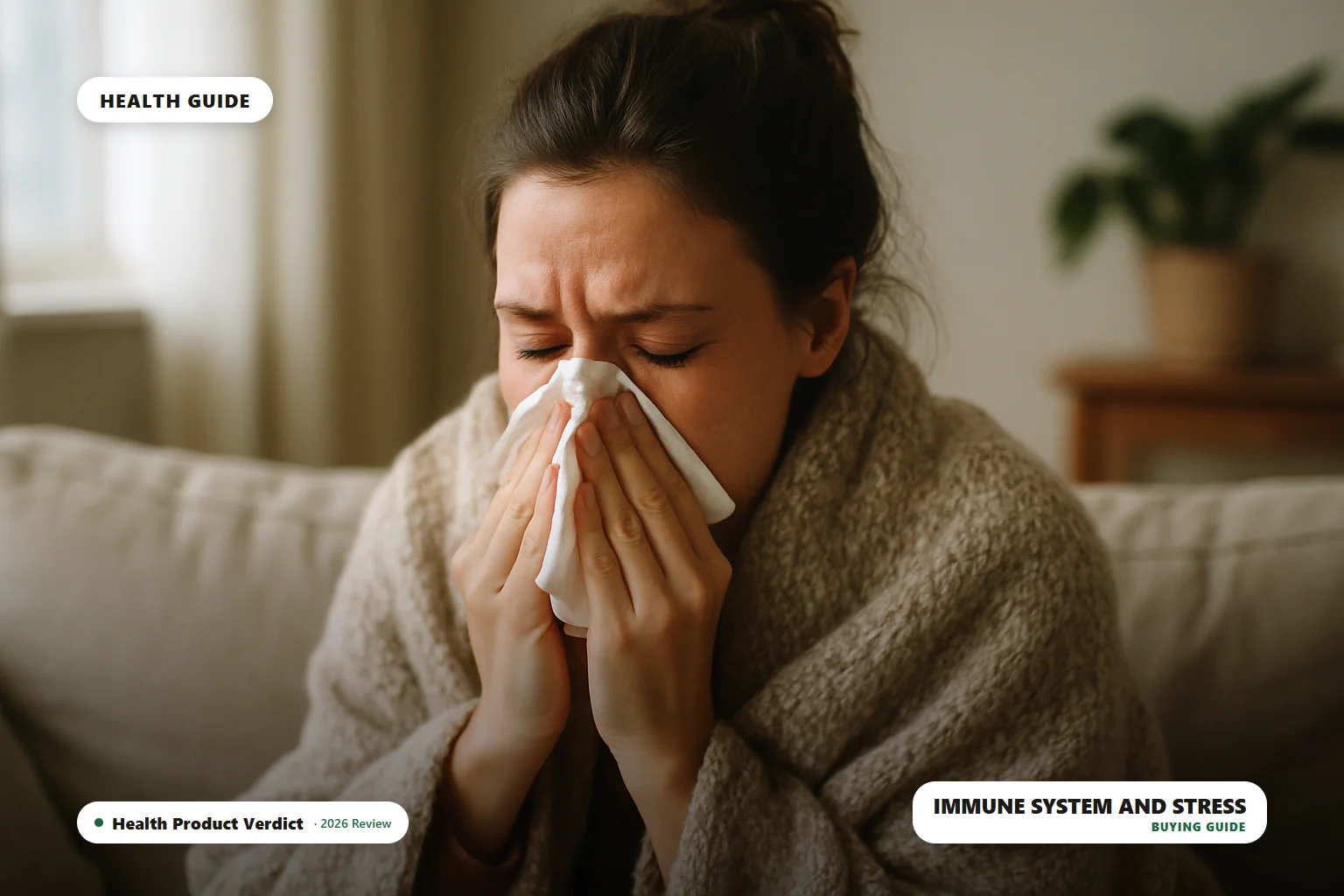
If you keep getting sick so often that it feels like more than bad luck, a well-known study gives a real, biological reason why: chronic stress can make your immune cells stop listening to the hormone that’s supposed to keep inflammation in check.
Quick answer: catching illness after illness is often tied to chronic stress and chronic low-grade inflammation working together, not just random exposure to more germs. A landmark study found that people under prolonged stress develop a kind of resistance to cortisol, the hormone that normally reins in inflammation. Without cortisol doing its job properly, the inflammatory response to a virus runs unchecked, which is part of what actually produces cold symptoms and makes illness more likely to take hold in the first place.
The Study That Explains Why
Researchers led by Sheldon Cohen at Carnegie Mellon University ran one of the most direct tests of the stress-immunity connection possible. In the study, 276 healthy adults completed a detailed stress assessment, were then deliberately exposed to a cold-causing virus, and were monitored in quarantine for five days to track infection and symptoms. Source: Proceedings of the National Academy of Sciences (PMC).
The key finding: people experiencing prolonged, chronic stress had developed what researchers call glucocorticoid receptor resistance, meaning their immune cells had become less responsive to cortisol’s normal job of keeping inflammation under control. This resistance was linked to a greater likelihood of actually developing a cold after exposure to the virus. Cold symptoms themselves are largely a byproduct of the body’s inflammatory response to the virus, not the virus directly, so an inflammatory response that runs unchecked tends to produce worse, more likely illness.
Why This Matters Beyond Colds
The common cold was used as a controlled, measurable model in this research, but the underlying mechanism, chronic stress disrupting the body’s ability to regulate inflammation, isn’t specific to colds alone. The same researchers noted this dysregulation is thought to contribute to the development and progression of a range of conditions where inflammation plays a role, which is part of why chronic stress management is now taken seriously as a factor in general immune resilience, not just a vague wellness talking point.
How Many Colds a Year Is Actually Normal?
Adults typically get two to three colds per year on average, with some healthy variation above and below that. Getting sick more frequently than that, especially if illnesses feel harder to shake or come with unusually severe symptoms, is a reasonable signal to look at contributing factors like chronic stress, sleep, and overall inflammatory load rather than assuming it’s simply bad luck.
When to See a Doctor
See a doctor if you’re getting sick significantly more often than a few times a year, if infections are unusually severe or slow to resolve, or if frequent illness comes with other symptoms like persistent fatigue or unexplained weight changes. A doctor can check for underlying causes, including nutrient deficiencies, thyroid dysfunction, or less common immune conditions, rather than assuming stress explains everything.
Habits That Might Help
- Build in real stress-management practices, not just “trying to relax,” since the research specifically implicates chronic stress hormone regulation, not stress in general
- Prioritize consistent sleep, since poor sleep independently disrupts immune function and compounds stress-related effects
- Stay physically active, since regular moderate exercise supports both stress regulation and general immune function
- Limit chronic, low-grade sources of inflammation where possible, such as poor diet quality and excessive alcohol use
A Possible Solution Worth Considering
Alongside the habits above, some people look for antioxidant support, since oxidative stress and inflammation are closely linked biological processes.
Purality Health Nano Liposomal Glutathione
A simple, disclosed formula built around glutathione plus vitamin C, using liposomal delivery technology backed by real, cited research. It’s a general antioxidant-support option rather than a stress-hormone-specific treatment, and its own sales page’s “flush toxins” framing overreaches what glutathione is actually studied for.
Read our full Nano Liposomal Glutathione review for the complete ingredient and pricing breakdown.
FAQ
Why do I keep getting sick so often?
Frequent illness is often tied to chronic stress disrupting the body’s ability to regulate inflammation. A landmark study found that chronic stress leads to cortisol resistance in immune cells, which allows inflammation to run unchecked and makes actually getting sick after virus exposure more likely.
Does getting sick often mean a weak immune system?
Not necessarily in the way most people assume. Research points to dysregulated inflammation, driven partly by chronic stress, rather than a simply “weak” or underactive immune system. In some ways, the issue is inflammation running too unchecked, not too little immune activity.
How many colds a year is normal?
Two to three colds per year is typical for adults. Getting sick noticeably more often than that, especially with illnesses that feel unusually severe or slow to resolve, is worth examining for contributing factors like chronic stress and sleep quality.
Can reducing stress actually help me get sick less often?
The research suggests it’s biologically plausible, since chronic stress was directly linked to the cortisol resistance that made cold infection more likely in a controlled study. It isn’t a guarantee for every individual case, but managing chronic stress is a reasonable, evidence-supported target rather than a vague wellness suggestion.
What are signs of a weak immune system versus normal variation?
Getting sick significantly more than average, infections that are unusually severe, slow to resolve, or recurring in the same way repeatedly, are worth a doctor’s evaluation rather than assuming it’s normal variation.
Conclusion
If you keep getting sick so often that it doesn’t feel like coincidence, there’s real research behind that instinct. A landmark study found that chronic stress disrupts the body’s ability to regulate inflammation through cortisol resistance, which makes actually developing an illness after exposure more likely. Managing chronic stress isn’t just a feel-good suggestion, it’s a mechanism with real evidence behind it.
For the full picture on chronic inflammation, see our Chronic Inflammation: Signs, Causes, and What Might Help guide.
Related Reading
- Chronic Inflammation: The Complete Guide
- Chronic Inflammation: Signs, Causes, and What Might Help
- Can Chronic Inflammation Cause Constant Fatigue?
- Nano Liposomal Glutathione Review: Does the Master Antioxidant Live Up to the Hype?
- Purality Health Ashwagandha Review: Does KSM-66 Really Lower Stress?
This article is for informational purposes only and is not a substitute for professional medical advice. Talk to a doctor about frequent or unusually severe illness.